People haven't just bought products for a long time. They buy feelings, an inner state, and stories they want to associate themselves with. That is why emotional advertisements remain one of the most powerful tools in marketing. But there is a fine line between emotional connection and manipulation. Let’s look at eleven examples of emotional advertising from global brands that demonstrate how to work with the audience's feelings responsibly and effectively.
Emotional advertising always has supporters and those who are against its use. It is believed that emotions are often perceived as a tool of pressure: to frighten, to move someone to tears, or to impulsively press the "Buy" button. But in conscious and ethical use, emotional marketing works differently. It is not about manipulating feelings, but about creating a relevant emotional context around the product.
Of course, most decisions are made emotionally, and only then do people rationalize them with facts. Therefore, the brand's task is not to "evoke an emotion by any means," but to understand: which specific emotion does the product reinforce in the customer's real life. If a service saves time – it's relief; if it helps one feel more confident – it's pride or status; if it creates moments for loved ones – it's joy and warmth.
This is where the line between ethical emotional advertising and manipulation lies. Manipulation exploits fears and weaknesses without offering real value. Ethical emotional advertising, on the contrary, highlights the benefit that the product already provides and helps the person recognize themselves in that story.
The most successful brands in the world have long built their communication not around characteristics, but around human experiences: belonging, safety, joy, development, and care. And they do this systematically, achieving amazing results.
Emotions can be different, but in advertising, they only work when supported by clear mechanics and a clear connection to the product. The same trigger can strengthen a brand's position or destroy trust if the context is used unsuccessfully.
The following 11 advertising campaigns demonstrate different scenarios of using emotions: from joy to nostalgia, and show how to work on long-term advertising campaigns and form a brand community.
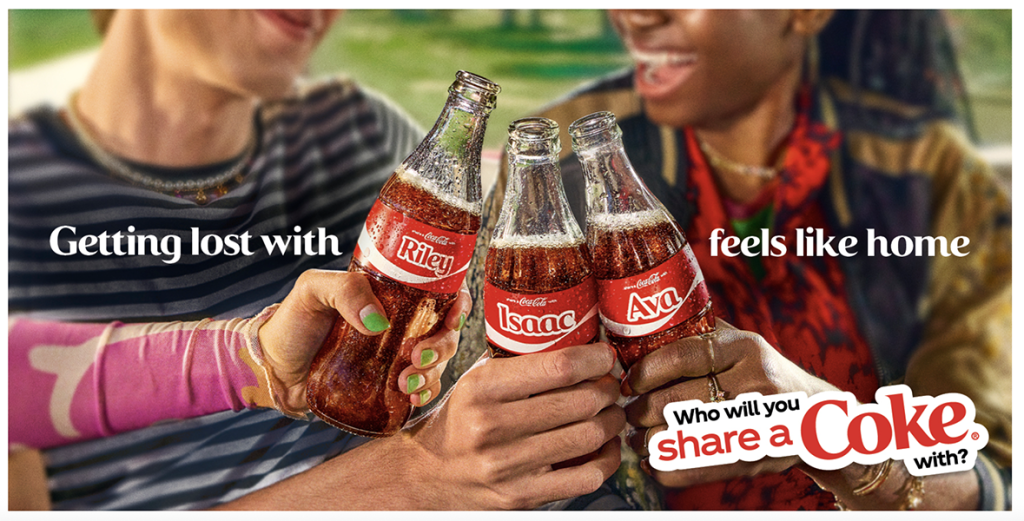
In highly competitive categories, such as FMCG, the product itself is almost identical in functionality: coffee or a carbonated drink can be chosen from dozens of similar options. Therefore, the struggle between brands is waged not only for product properties but for the emotional associations it evokes. The Share a Coke campaign by Coca-Cola became an example of how to move a product into the realm of joy, togetherness, and personal connection.
When a person sees their name or the name of a loved one on a bottle, the brain automatically associates the brand with pleasant experiences. Psychologically, this works because memories of joy are remembered best, and the brand becomes part of a positive experience. This approach turned an ordinary purchase into a small ritual of joy: from the discovery to a photo with friends.
Remember: if you work with "fake" positivity that does not correspond to the real experience of the product or brand, it may cause a negative reaction of rejection.
Formula for an emotional ad:
moment of joy + audience at the center + simple action = emotions that remain after purchase.
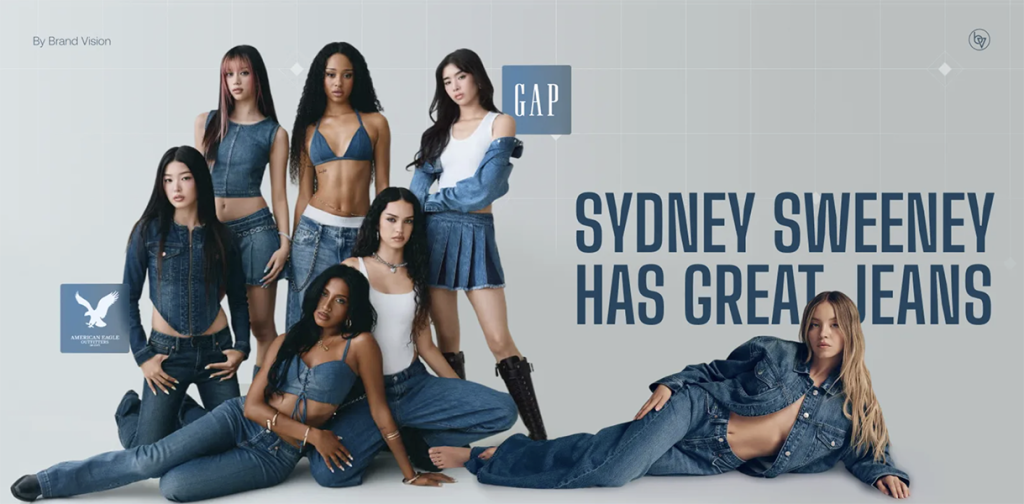
Lifestyle brands work with rapidly changing fashion trends. Nostalgia allows the brand to return to the space of personal memories and cultural moments that form a feeling of "this is about me."
Emotions activate familiar images from the past and evoke feelings of warmth, safety, and belonging. Nostalgia reduces critical perception and increases trust in the brand, because a person doesn't just see an advertisement: they recognize a part of their own story.
In the Better in Denim campaign, Gap uses the aesthetics of Y2K and the early 2000s: the styling of looks, music, group dynamics, poses, and movements that refer to the culture of that era. Instead of focusing on the fabric, the brand shows moments of life: movement, friendship, self-expression, self-confidence. As a result, denim becomes not a commodity, but a symbol of a period when a person forms their identity.
Remember: if nostalgia does not have a clear connection with the brand or product, the advertisement may look like just a "retro video" without an understandable role for the company in this story.
Formula for an emotional ad:
It was then → It became now → The audience has changed → The brand was there
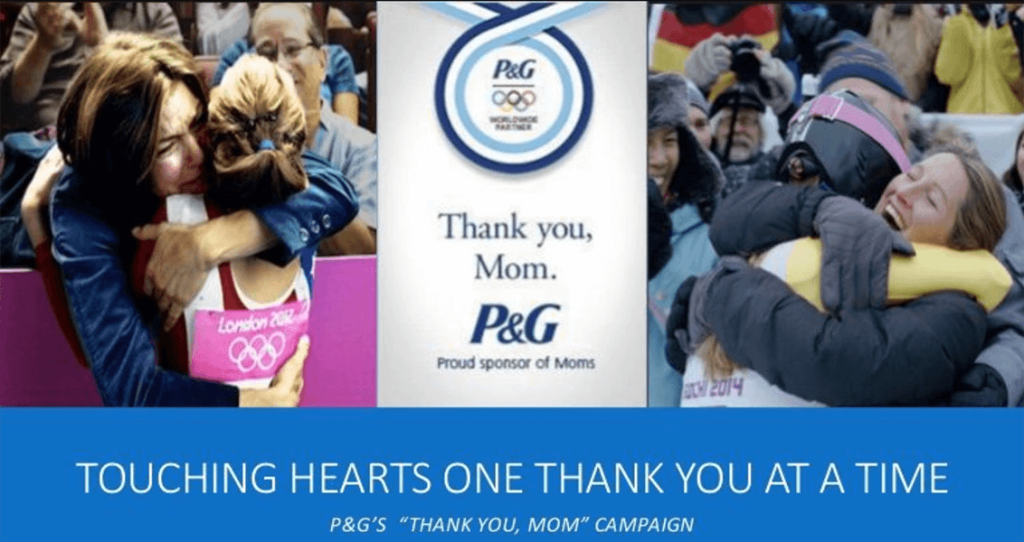
In the category of household goods, personal care, and family products, purchase decisions are often based on trust and the values that the brand symbolizes. The audience wants to know that the company understands their needs, lifestyle, and the value of family ties.
The Thank You, Mom campaign was launched by Procter & Gamble in connection with its sponsorship of the Olympic Games – the brand showed that behind every champion is a mother who supported, inspired, and believed in them throughout the entire journey. Instead of focusing on the product itself, P&G emphasized the stories of mothers accompanying their children from childhood to great achievements. Trust arises where there is empathy for people's real experiences. Reminders of a mother's care, support, and unconditional love lower psychological barriers, stimulate an emotional response, and foster an association of the brand with natural, sincere care.
Remember: an overly "sentimental" interpretation of a story without real details may look like a stereotype that does not resonate with the audience.
Formula for an emotional ad:
The brand sees what the audience is doing → Reinforces the importance → The brand is nearby
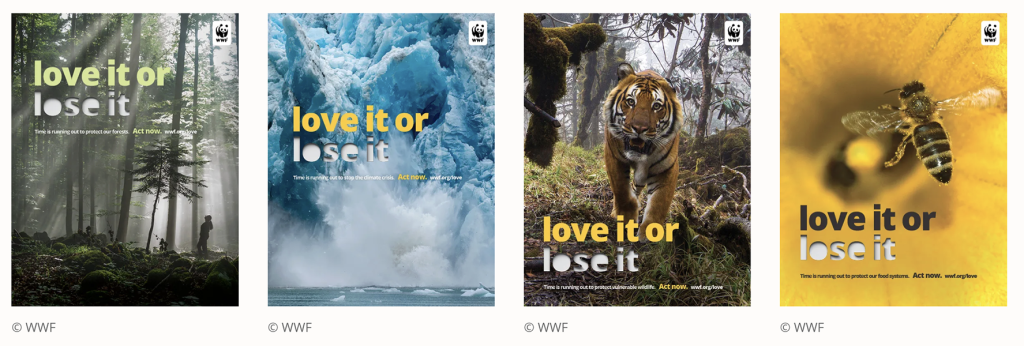
Fear is an emotion you must be extremely careful with. It works best when it doesn't shock but prompts action. Ideal for charity, social responsibility, or nature conservation. WWF (World Wide Fund for Nature) in its "Love It or Lose It" campaign draws attention precisely to the risk of irreparable loss of natural beauty and resources upon which the lives of people and all living things are based.
WWF uses not only videos but also static posters, OOH advertising, digital banners, and posters showing snow-capped mountain ranges, forest expanses, and wild animals – things that could disappear without our attention and action. The main emphasis lies in the realization of the fear of losing what we already love: clean water, air, places where wild animals live.
Remember: it is important to avoid oversaturating with alarming images, which can cause rejection instead of engagement.
Formula for an emotional ad:
If nothing changes → X will be lost → What the audience can do
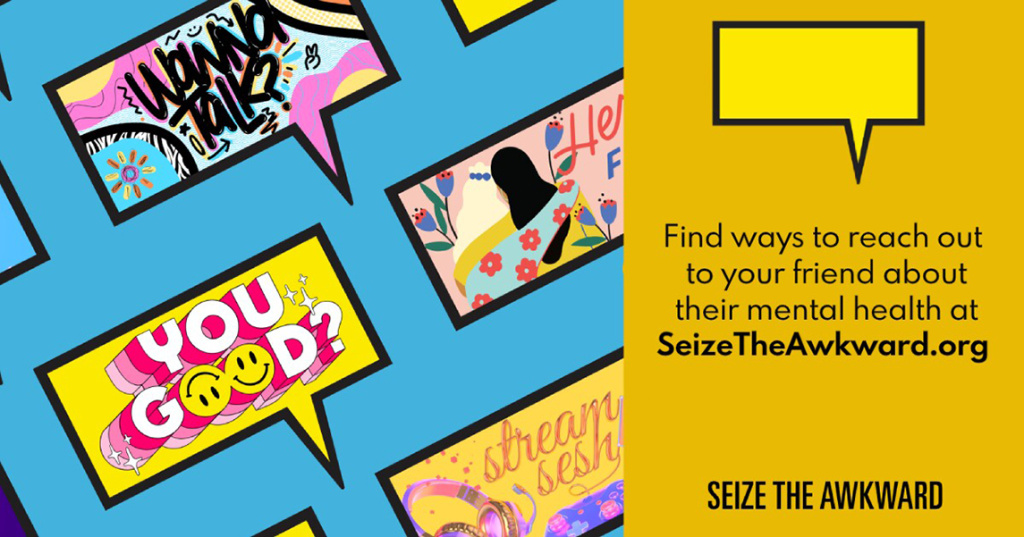
Empathy in advertising works through awareness and response to human pain or experiences. People respond to messages that show their feelings are familiar to many. When an advertisement demonstrates a human story or problem in such a way that the viewer can "hear themselves" in it, it creates a sincere emotional reaction and often prompts help, mutual support, or dialogue.
Seize the Awkward is an Ad Council campaign (in partnership with the American Foundation for Suicide Prevention and The Jed Foundation) aimed at supporting mental health conversations among young people. It calls for overcoming "awkwardness" when discussing difficult topics with friends and shows that a first conversation can save a life.
Remember: if you do not show a path to solving the problem (for example, without a call to talk or seek help), empathic advertising may leave the viewer with only a heavy feeling instead of the motivation to act.
Formula for an emotional ad:
Here is a person → Here are their experiences → Here is how the audience can help
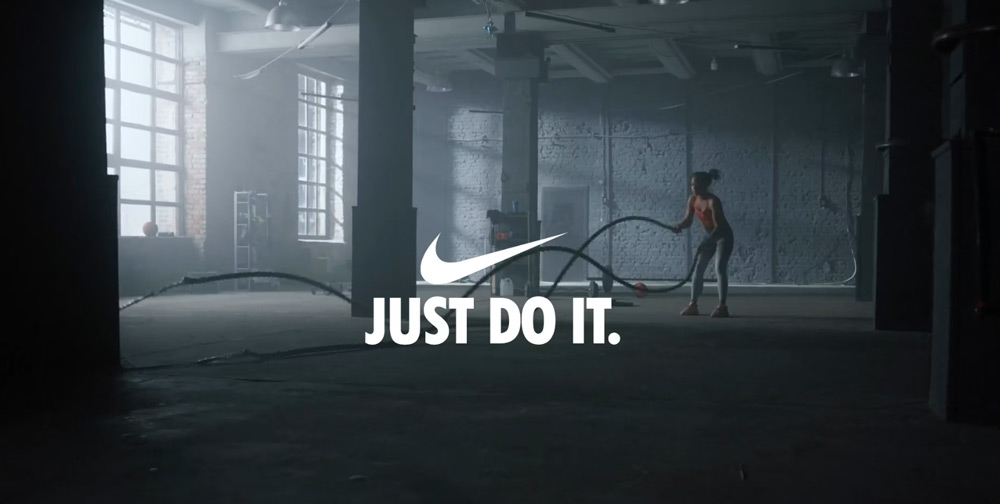
A sense of belonging is a fundamental human need: people strive to be part of "their own," to have a group identity, and to feel that they are valued and understood.
In this emotional attachment, Nike created one of the most recognizable advertising campaigns in the world with its slogan "Just Do It," which has long gone beyond a simple advertising message and turned into a symbol of shared values, actions, and lifestyle. Nike doesn't say "buy sneakers" — it says "we are those who don't give up," and you can be one of us too.
Remember: when the community is formal or contrived (without real identity), then belonging becomes not an emotion, but manipulation.
Formula for an emotional ad:
The brand is those who X → Audience = our values → We act together

Humor is one of the strongest triggers in advertising, reducing resistance, increasing attention, and creating positive associations with the brand. Funny banners often go viral because they give birth to emotion: people don't just notice the ad – they share it and discuss it.
Burger King traditionally uses humor in its outdoor advertising and print banners, doing so as a way to confront competitors and attract attention. Often these banners play on irony, parody, or an unexpected visual twist that immediately brings a smile to the viewer's face (such as jokes about big burgers or playing with the perception of food).
Remember: the joke must be funny for everyone; consider the culture and context of all segments of the audience.
Formula for an emotional ad:
Expectation → Smile → Brand loyalty

Feelings of pride / status in premium brand advertising are formed not through direct product display, but through a visual set of symbols of culture, style, and prestige that a person associates with success and high quality. This works as a social marker: choosing such a brand speaks of personal value, taste, and cultural level.
In Louis Vuitton Spring/Summer 2025, the brand engaged top models and artistic partnerships to create visually art-oriented banners where each photograph is not just an item of clothing, but an image of status and cultural identity.
Remember: an image that is too "closed off" may repel part of the audience that does not recognize themselves in that status.
Formula for an emotional ad:
Status = Image of culture + Symbols of style + Own identity
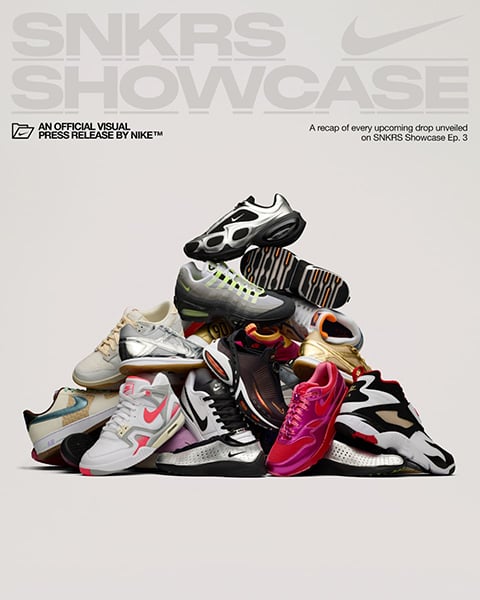
The limited drop strategy combines emotions of scarcity and urgency, where consumers fear losing the opportunity to purchase something unique. Such a FOMO effect (fear of missing out) activates a quick reaction: buy right now, rather than postpone the decision.
Nike regularly launches special releases of limited sneakers on its SNKRS platform. On the app pages, website, and in banners, Nike uses the visual message "Limited Release – Available Today Only." This creates a clear deadline in which the sale occurs only at a specific moment. Such a banner does not just announce a new product, but hints at uniqueness and scarcity, which reinforces the understanding: you must act quickly.
Remember: frequent special offers reduce the effectiveness of a brand's advertising campaigns.
Formula for an emotional ad:
Limited offer + Clear timing → Successful advertisement

Emotions of inspiration evoke a sense of confidence, conveying an awareness of one's own ability to control life and make changes. Using such messages, brands allow people to feel stronger than they thought and transfer this feeling to the choice of product – because the product becomes a symbol of this inner strength.
Reebok Be More Human is one of the most famous sports campaigns working with the emotion of possibilities. Visually, it is built on images of people in the process of training, setting goals, and overcoming their doubts. These banners do not just sell sports shoes or clothing – they show people becoming better versions of themselves through real and simple actions.
Remember: an "inspiration" banner without some point of reference can look like a cliché.
Formula for an emotional ad:
Inner strength → Visible step → Brand support

The main barrier for a person is not that they don't empathize, but that they don't transition from empathy to action. Therefore, such an advertisement should not just move someone but create an inner impulse: I am responsible → I can help → I must do something now.
UNICEF shows an adult's hand holding a small child's hand. But we see this contact through a smartphone screen.
Remember: turning the emotion of guilt into pressure always causes rejection
Formula for an emotional ad:
Problem nearby → Audience has resources → Here is a simple step
There is no universal emotion that works equally for all businesses. Try to correctly combine the product type, the stage of the purchase decision, and the customer's emotional state.
| Emotion | What does the person want to feel? | Business Industries |
|---|---|---|
| Joy | Lightness, a pleasant moment | FMCG, drinks, snacks, cosmetics, gifts |
| Nostalgia | Connection with the past, significance | Technology, lifestyle brands, travel |
| Trust / safety | Calmness, confidence in the choice | Medicine, insurance, finance, care |
| Belonging | Being part of a community | Sports, communities, services, platforms |
| Pride / status | Sense of achievement | Premium goods, cars, education |
| Inspiration | Belief in one's own capabilities | Sports, courses, coaching |
| Constructive fears | Avoiding loss | Safety, environment, insurance |
| Compassion | To help, to support | Charity, social projects |
| Urgency | Get it fast | E-commerce, promotions, services |
Emotional advertising begins to harm a brand when the emotion becomes more important than the truth.
Emotions are an integral part of any purchasing decision. Even in the most rational categories, people first react to a feeling – and only then back up their choice with arguments. This is why brands spend so much effort on forming emotional advertising campaigns.
Emotional advertising does not mean pressure or manipulation. It means a deep understanding of what truly concerns the customer, what states they want to reinforce or change, and how the product can help with that. When the emotion stems from real value, the communication is perceived as appropriate and honest.
Brands that know how to work with emotions systematically build not just short-term sales, but long-term relationships. They become part of people's daily lives, rather than just another message in a news feed among photos of friends.
In a world where attention has become a deficit, those who speak to the audience in the language of human experiences – calmly, responsibly, and with respect – win. It is precisely this kind of emotional communication that forms the true value of a brand.