How do you capture a user's attention with banner ads? By creating a unique experience that captivates, focuses, and is remembered from the very first seconds. This format is called Rich Media – advertising that transforms ordinary static banners into an interactive experience. Yes, creating such ads requires additional creative skills, but the results and CTR will show that it's worth it! Let's look at examples of advertising campaigns that demonstrate the advantages of Rich Media over standard formats and change the user's communication experience with brand advertising.
Digital advertising is evolving at lightning speed. Just a couple of years ago, brands competed for users' attention with high-quality images, well-chosen shots, and unique graphic elements, but now the rules of the game have changed dramatically. Today's users have high expectations for brand advertising and demand more emotional stories, interactivity, and personalization.
That's why Rich Media is becoming more popular every year. It's a format that combines video, animation, 3D, AR, gamification, and other interactive elements to increase effectiveness and engagement metrics. This type of advertising doesn't just show an offer; it involves the user in an experience they will definitely want to try.
Rich Media allows you to:
Let's dive deeper into the world of interactivity and explore through examples why this format is so effective.
Rich Media is an interactive digital advertising format that, unlike ordinary static banners, has no boundaries. This advertising combines creativity, technology, and analytics, turning an ad into a fully personalized story for the user. The main feature of Rich Media is the active interaction of the viewer, rather than passive site surfing. This format allows brands not only to showcase a product but also to create an emotional connection, engage the user in specific actions, and stimulate conversions.
Video or Animation
This is the most common format. It's an effective way to attract a user's attention among the monotonous banners of market competitors. Video and animation can:
Remember: any movement and dynamics significantly increase audience attention and help them remember the brand.
Interactive Elements
These can be hover effects, clicks, swipes, or drag-and-drop actions. They give the user a sense of control: they can stop or view details at any second.
If a person has the opportunity, they willingly become an active participant in the campaign, increasing their interaction time and readiness to purchase.
Gamification
This is one of the most resource-intensive formats. Gamification includes game elements: tasks, bonuses, quests, and point collection. A user might spend a lot of time playing to get the best result for them. You want to return to such ads again and again, and trust in the company grows.
3D and AR Effects
3D and AR allow the user to "see" the product in a real environment. This could be driving a car, rearranging furniture, or trying on clothes or accessories in real time. We won't even talk about the CTR of such a banner; it has the best performance among advertising formats.
Surveys, Quizzes, and Product Customization
With Rich Media, a brand can collect data, engage the user in active participation, and prepare special personalized offers.
Each format has its own features and advantages, but they all certainly:
It's not just about good design or well-thought-out images or videos. Rich Media has a high strategic potential for engaging, emotionally influencing, and motivating the audience to act.
Key performance indicators influenced by the presence of Rich Media ads in a campaign:
Engagement: The user interacts with the ad for a longer time
The longer the interaction with the ad, the higher the chances that the person will remember the brand, visit the website, and make a purchase.
Memorability: Emotions are registered better than viewing a static image
Animation, video, interactivity, and even sound help to form a strong emotional response in the audience.
Conversion: CTR and interactions can be 2-3 times higher
Rich media banners don't just attract attention; they stimulate action. CTA buttons, interactive elements, and personalization increase the chances of a click and conversion.
Analytics: More detailed data is available for analysis than just ad clicks
Rich Media allows for the collection of detailed data on user behavior, which helps optimize campaigns:
Rich media campaigns not only improve the overall metrics of marketing activities but also provide the brand with precise data for decision-making and improving future creatives.
Additional Effectiveness Factors
According to Nexd, interactive banners increase engagement rates by 30-50%, and CTR can increase by 2-3 times compared to static ones.
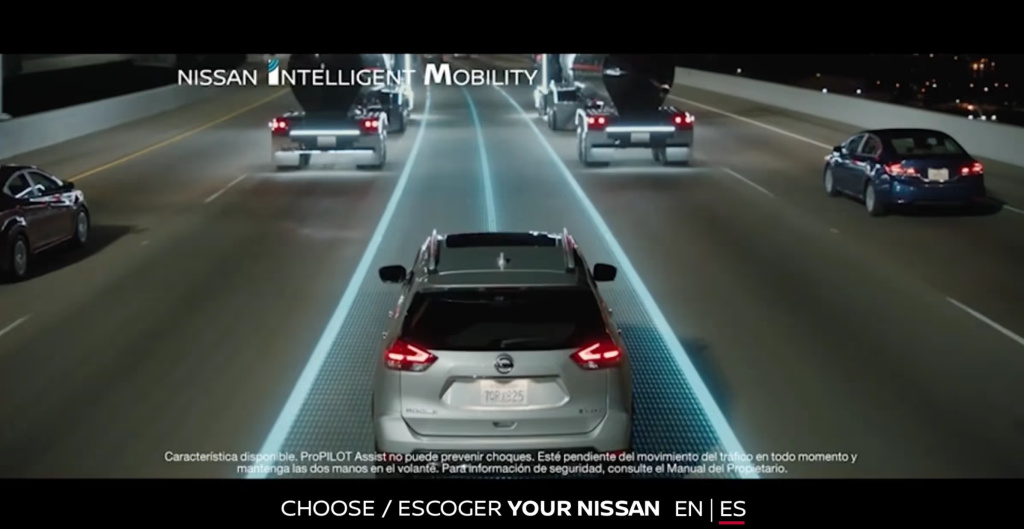
Japanese automaker Nissan used the capabilities of Rich Media to address the issue of multilingualism. They integrated their slogan "Innovation that excites" into banners where they gave consumers the option to choose the language for marketing materials: English or Spanish.
This was all done in an interactive video that allowed users to change the language while watching. The approach yielded maximum benefits: it not only improved content accessibility but also helped attract and retain the attention of Latin American consumers. As a result, the audience highly appreciated the brand's consideration, leading to increased brand awareness and loyalty.
In its banner campaign, Hermès started with a strategy of elegant restraint – a simple horizontal banner that doesn't distract the viewer but intrigues them to learn more. Anyone who clicks the button because they are interested in the brand is taken to an interactive carousel. It showcases all the featured looks and outfits from the latest collection, allowing the user to explore each item in detail.
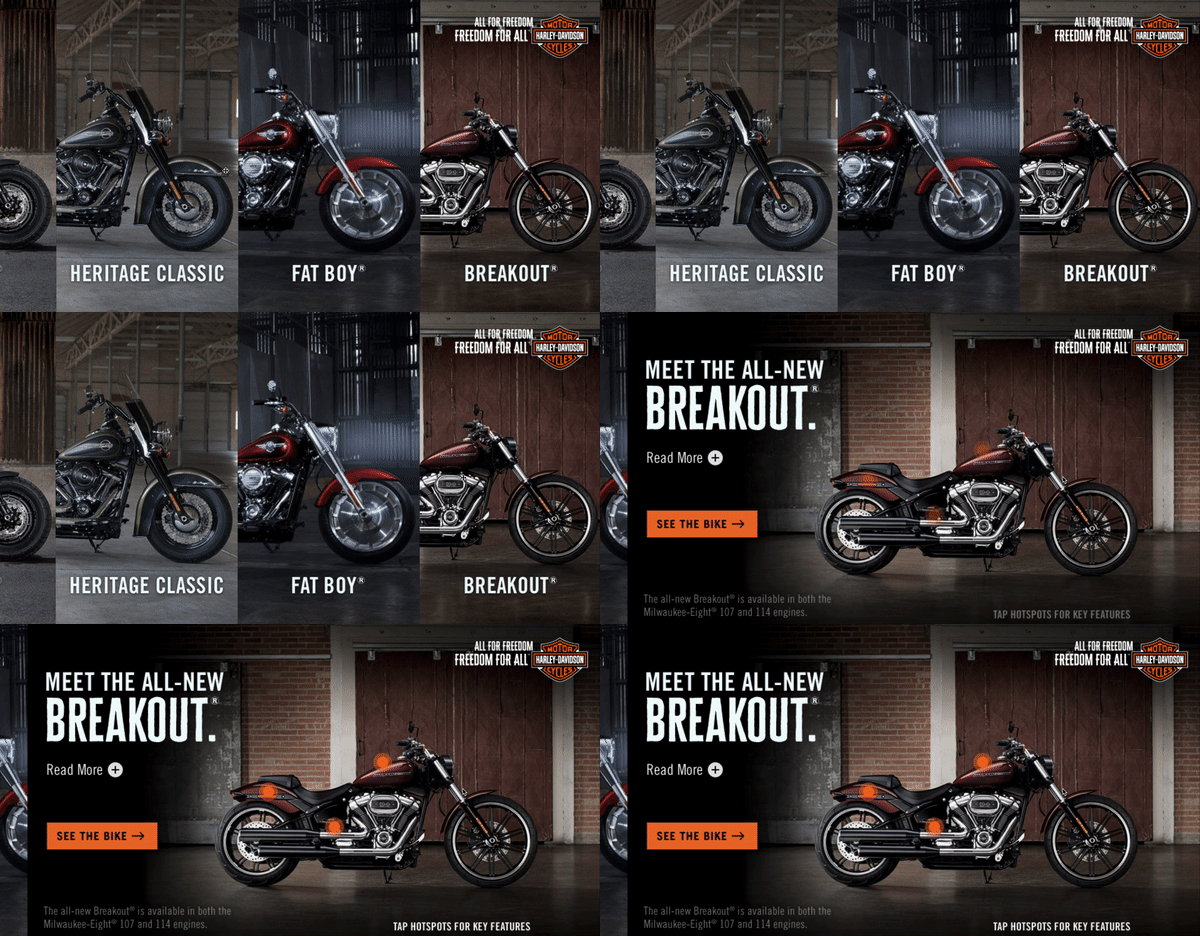
To vividly showcase its models, Harley Davidson created an interactive video ad. It was broadcast on the Hulu platform as 30-second spots during commercial breaks. But instead of just watching the ad, users could interact with the video, exploring different motorcycle models on their own. They had the opportunity to get details about a specific model and then, if desired, go to the brand's website for more information or to schedule a visit to a dealership.
Mango's advertising campaign used several interactive elements simultaneously: a carousel combined with a split-screen and an interactive map. Users could browse different outfit ideas, watch short videos from the collection, and click the "Find the nearest store" button to quickly find out where to buy the products offline.
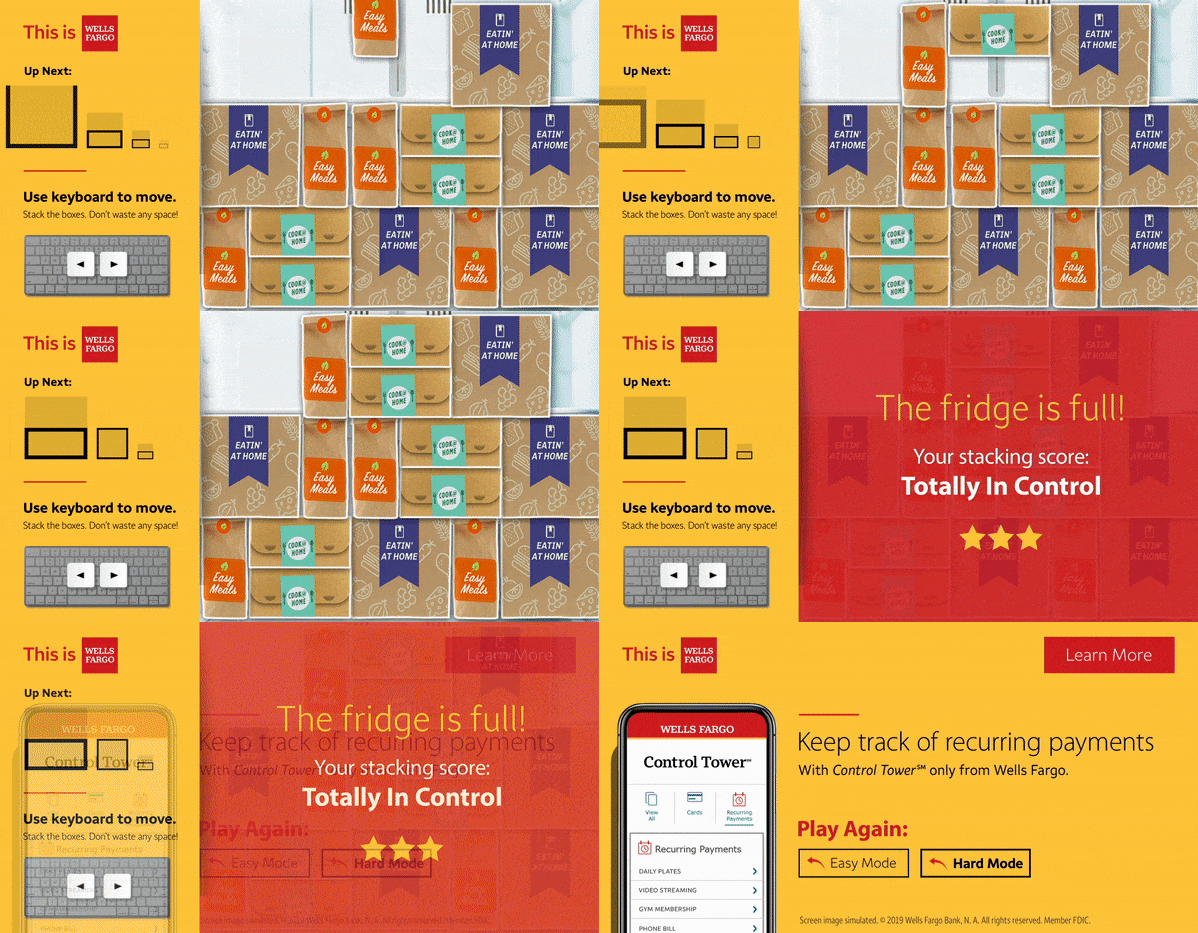
Wells Fargo created an interactive Tetris-style game for computers and mobile devices. The campaign focused on the Control Tower feature, which allows customers to easily track their recurring payments.
After watching a short trailer, users could choose an easy or hard game mode where their task was to arrange "food certificates" inside a refrigerator as efficiently as possible. When the refrigerator was full, players received a score for their actions and a message stating that only Wells Fargo offers the ability to track recurring payments with the new Control Tower feature.
For the Philips campaign, an interactive 3D cube ad with a parallax effect was created. Its goal: to announce special offers for Black Friday. This format allows users to interact with products, view them from different angles, and learn more about the special offers available during the sale.
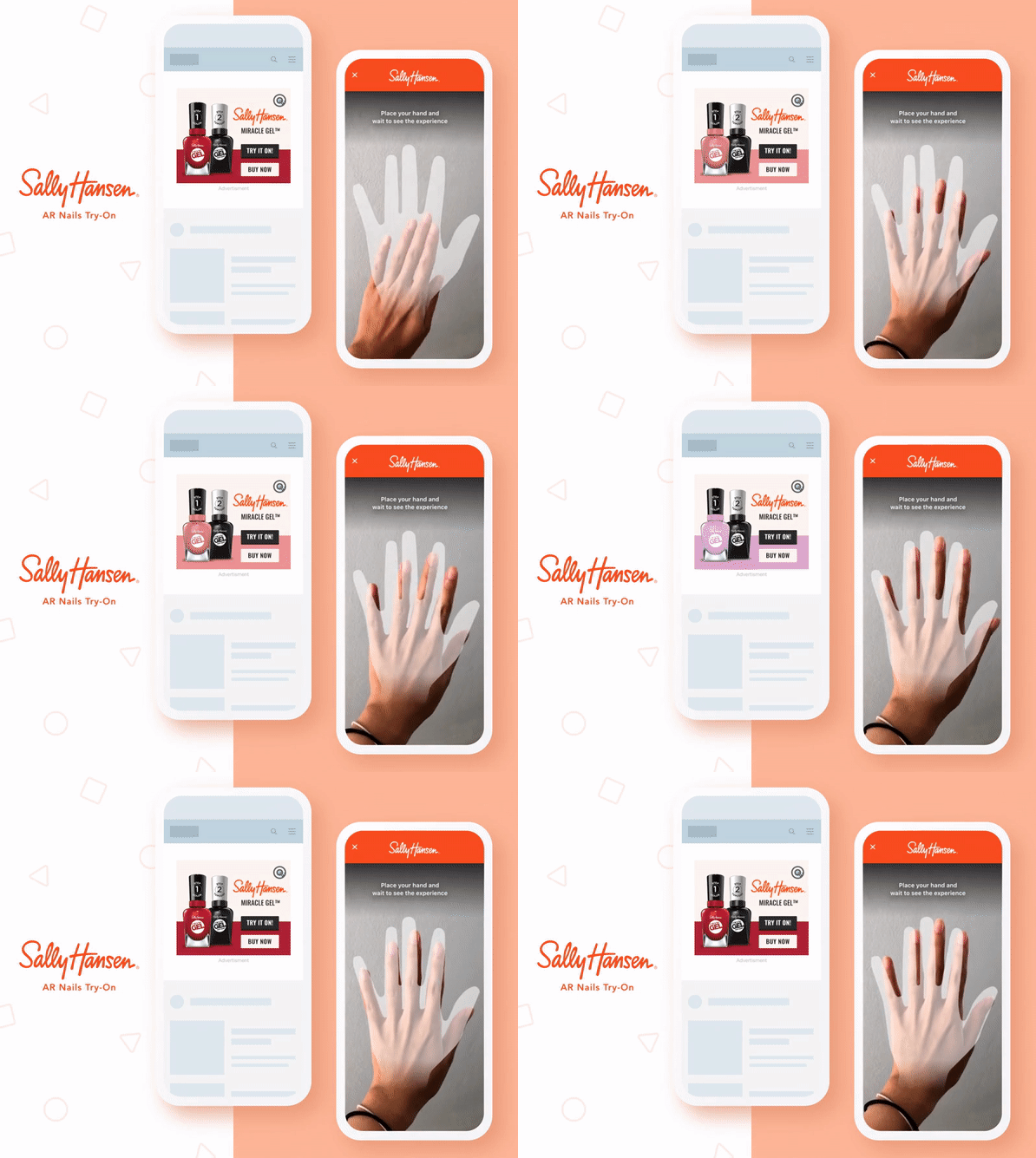
American cosmetics brand Sally Hansen created an interactive campaign that allows users to virtually test different shades of its Miracle Gel nail polish. The user journey was as follows: first, they had to interact with the banner (the ad showed how the polish colors changed and highlighted the "Try It On!" button), after which users were redirected to the brand's website where they could "apply" the polish to their nails via their smartphone camera and see the result in real time.
For the National Geographic campaign, a custom gamified ad was created to engage users in watching a show on Disney+. The ad banner was designed as an interactive game where users could find animals featured in the show. This approach turned the ad into a fun and engaging experience, encouraging users to interact with the content while simultaneously increasing the show's visibility among the target audience.
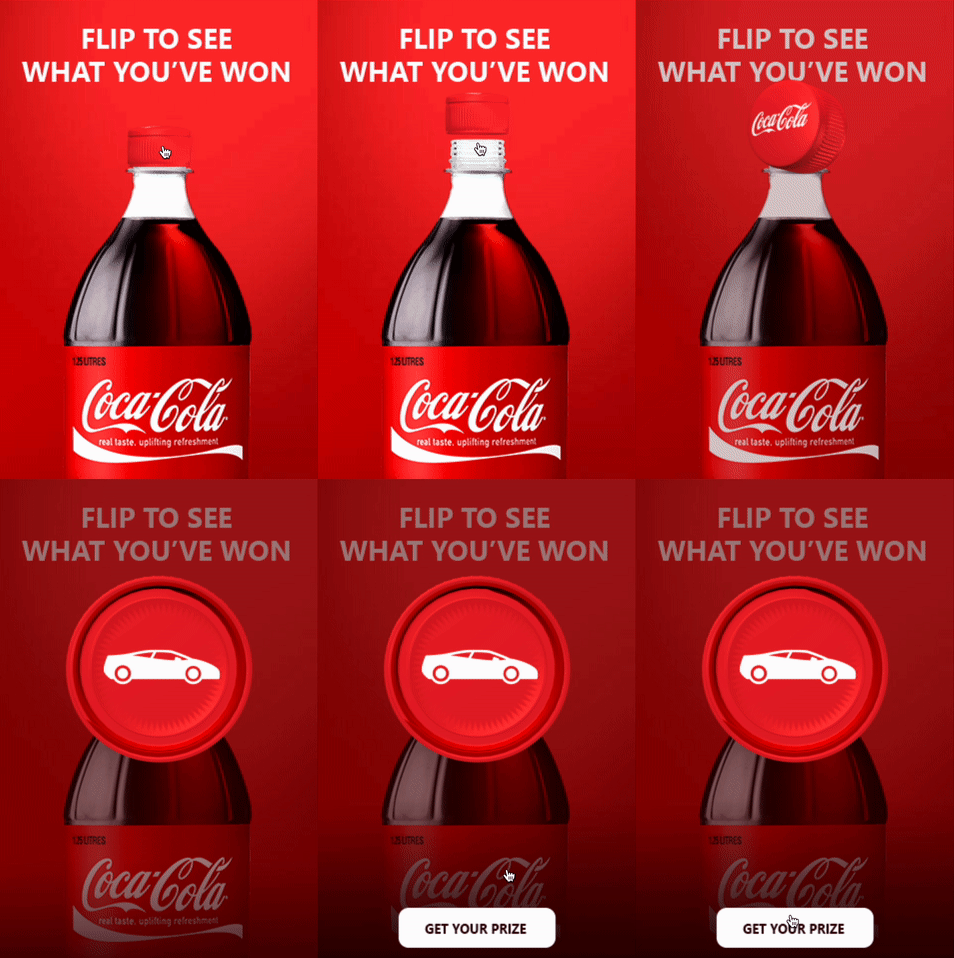
Coca-Cola not only made their ad interactive through gamification but also tapped into people's natural desire to get something more than just a purchase – to win a prize. The ad shows a bottle of Coca-Cola and invites users to flip the cap for a chance to win. After interacting, participants could go to the brand's website to claim their prize or try their luck again in another ad.
To promote the Disney+ Hotstar TV series, an interactive 3D cube was created that invites users to swipe and interact with its different faces. Viewers can rotate the cube, watch videos, and observe the rotating overlays, creating a parallax effect. By clicking on an example, the user gets to see it in preview mode.
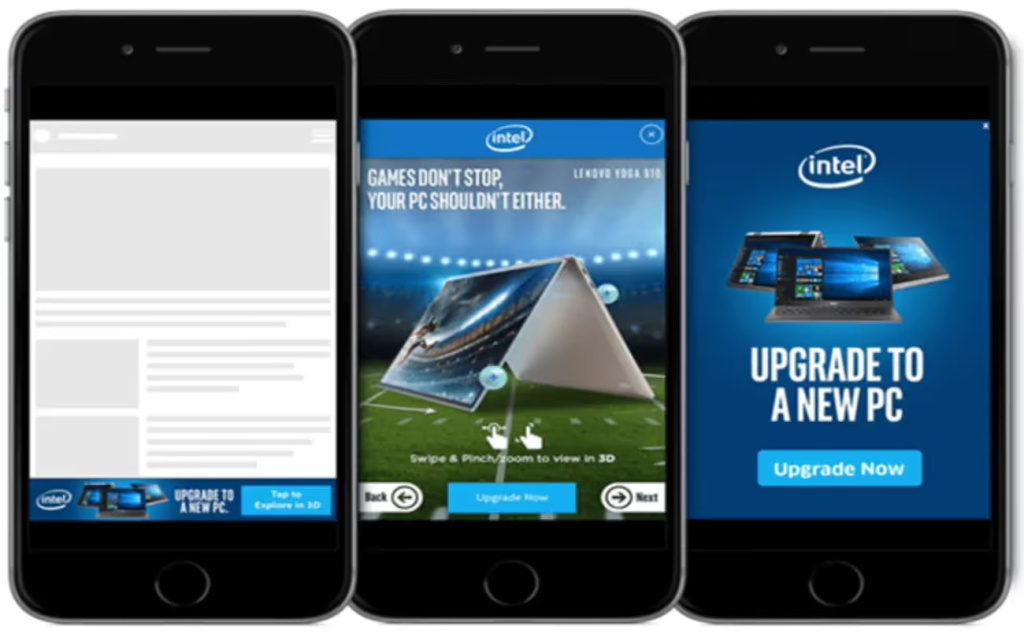
Intel showcased a new elegant laptop using 3D technology, allowing users to examine the device's design and functionality in detail. Additionally, Intel used 360° video with interactive hotspots to help compare different brand models and highlight unique features. You have to agree, such an ad is much more effective than standard product carousels or comparison lists.
To promote its series, Netflix often uses banners with floating objects that react to the user's movements. Thanks to a gyroscopic effect, the series logo moves with the phone as the user tilts or turns the device. This small but effective addition makes the ad more interactive and appealing, capturing the audience's attention even in a short viewing period.
Lego introduced an ad with an effect that turns a regular banner into an interactive story with products. Users are invited to move a red Lego block to "scratch" the surface and reveal the contents of the advent calendar products. Of course, everyone is curious about what gifts their favorite brand has prepared, so the audience actively interacted with the ad and then bought the Lego set.
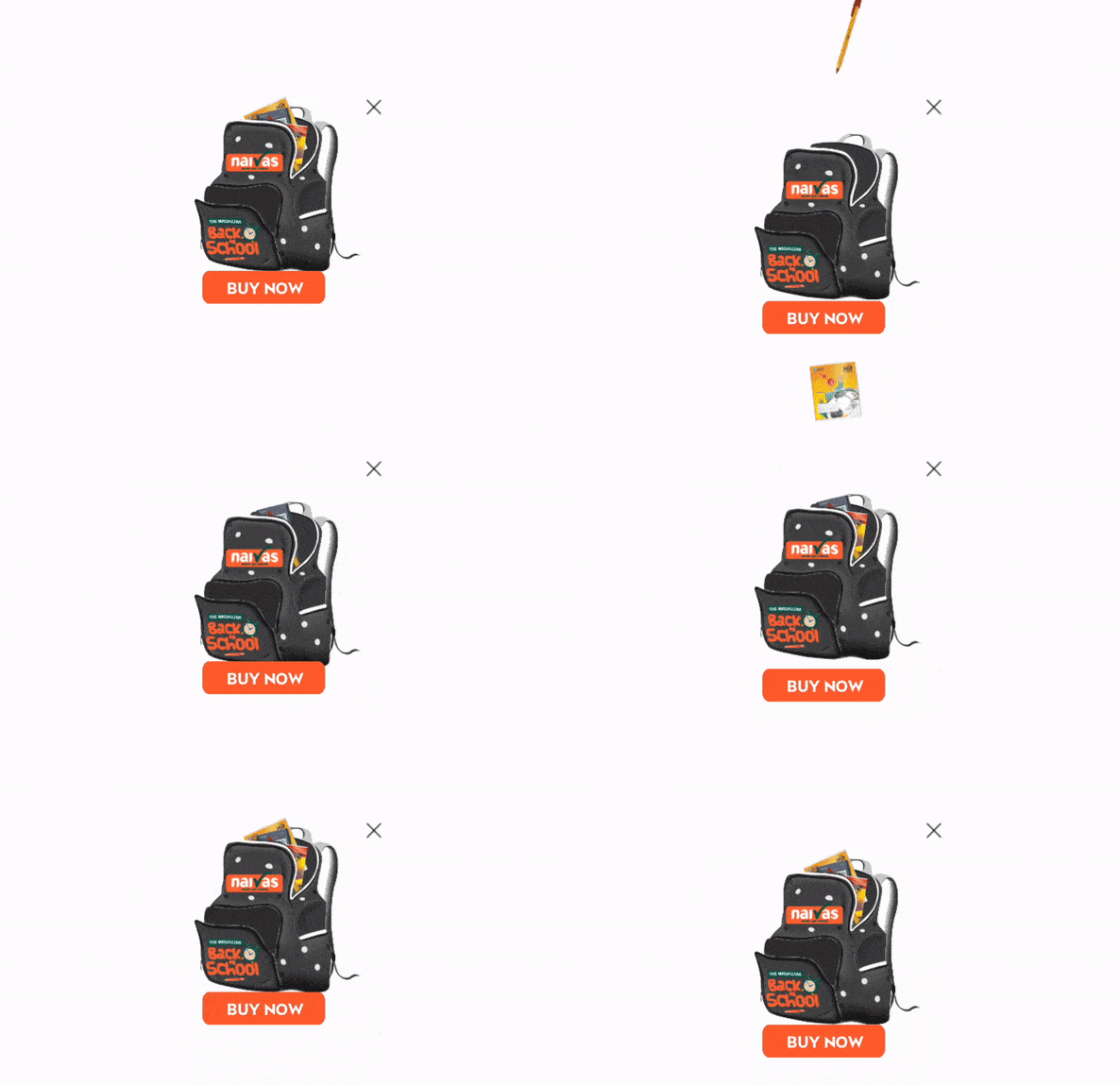
Naivas, one of Kenya's leading retail brands, created an advertising campaign for parents about school supplies. It wasn't just a carousel but a special floating banner where a backpack was filled with necessary items for the school year. After clicking on the ad, interested users were redirected to the Naivas online store to make purchases.
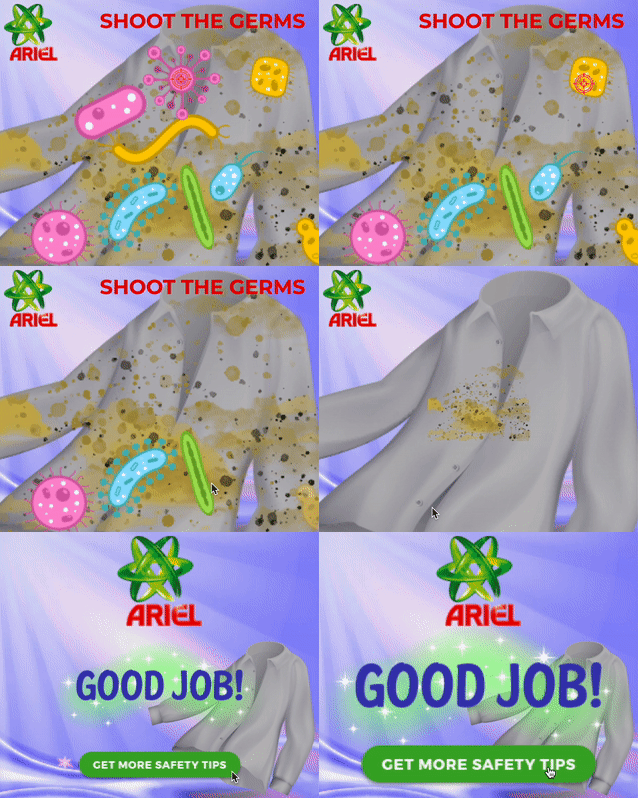
Ariel used an animated rich media ad to promote its product.
The ad shows a dirty shirt covered in germs, inviting viewers to "shoot" at it and clean it, based on the principle of how Ariel laundry detergent works. After all the germs are destroyed, the player is prompted to visit the Ariel website for more tips on safe clothing care.
If you need to create an interactive ad for real estate companies, here is a great example.
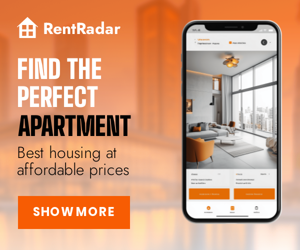
Choose a video template where the viewer sees different apartment options "appearing" on a city map and can click on the one that best suits their style or price. You can upload a special scrolling video with specific options based on a filter (e.g., number of rooms, location, lifestyle, etc.) to make the targeting as precise as possible. Such ads will definitely stand out in a news feed!
Example of a Rich Media Banner Based on BannerBoo Templates
For cosmetics and personal care brands, we recommend this BannerBoo template!

Use an interactive video ad to show the magic of your products "in action." Before and after effects, alongside a presentation of the products (we recommend choosing no more than 3 options to avoid confusion). After watching the ad, redirect users to the online store, and you can also add a personal discount for the first purchase for a better effect and motivation to place an order.
The banner beautifully emphasizes the brand's aesthetics and turns viewing the ad into a pleasant emotional experience.

An ideal cozy template for manufacturers of stylish home accessories. This is a truly warm video story about comfort and the details that make the space around you special. In the video, interior items "come to life" – pillows fluff up, cups fill with coffee, and the light gradually creates a homey atmosphere. We invite anyone interested to click to learn more and place an order in the online store.
Example of a Rich Media Banner Based on BannerBoo Templates
More Rich Media Banner Options on BannerBoo
Like any advertising format, Rich Media is constantly evolving to remain effective. Every brand must consider current trends.
Today, it's worth considering the following information:
Interactivity is a Priority
Modern users don't just want to browse ad catalogs – they are ready to actively participate in their creation. Interactive banner elements allow the audience to feel in control and directly engage with the content.
Content Personalization
Personalization is a trend for the coming decades, and it is highly relevant in Rich Media. It is the key to high CTR and user loyalty. When a banner adapts to the user's interests or even their name, the content immediately becomes more relevant and interesting.
AR and 3D Technologies
AR (augmented reality) and 3D elements allow users to see the product in action. This increases trust and provides a short-term but real interaction experience.
Gamification
Gamification adds a thrill of gaming to ad banners – these can be tasks, point collection, competitions, or interactive mini-games. Be sure to think about a reward to build motivation.
Short Videos
Short videos are becoming one of the most popular Rich Media formats. They allow you to convey the main idea quickly and effectively, and dynamic content is better at attracting the audience's attention.
Storytelling in Ads
Modern brands are increasingly using mini-stories in Rich Media banners. Each slide or interactive element reveals a part of the story, and users are curious about what's next, so they willingly interact even with a large amount of content.
Mobile Optimization
Users often interact with ads on mobile devices, so design banners that are adapted for mobile screens, use touch actions (swipe, tap, pinch), and load quickly.
Integration with Social Networks
Add the ability to share, react, or comment to Rich Media banners.
Use of Data and Analytics
Be sure to analyze your launched campaigns to incorporate these results into building your marketing funnel.
Rich Media has huge potential for engaging users and increasing campaign effectiveness, but at the same time, it comes with a number of challenges that should be considered during planning:
High Resource Demand During Production
Rich media ads require more resources, creativity, and technical skills. Creating an interactive banner or animation takes time, involves specialists, and requires additional tools.
Solution: templates from BannerBoo, where creating a banner is possible in just a few clicks.
Loading Time and Interaction Speed
Rich Media banners are often "heavy," which increases loading time. This is especially noticeable on mobile devices or with a slow internet connection.
Solution: Pay attention to optimized formats, compressed videos, and the responsiveness of banners for mobile devices.
Compatibility with Different Platforms and Browsers
Not all Rich Media formats are supported by all devices or browsers. This can limit the reach of your advertising campaign.
Solution: Don't forget about testing and checking the technical requirements of each placement platform.
Impact of Ad Blockers
Modern users are increasingly installing ad-blockers, which can prevent any ads from being displayed.
Solution: Develop native advertising, consider content integration, and personalize banners for your audience.
Rich Media advertising is the future of digital marketing, and it is just gaining momentum in its development. Global brands show that interactivity, video, AR, and 3D make advertising more effective, memorable, and emotional. Potential customers respond less to ordinary images; they are ready to become part of a marketing campaign and play a key role in its processes. So, give them that opportunity!
Marketers and business owners simply need to natively integrate this format into their marketing strategy, adding creativity, interactivity, and personalization to ensure their advertising doesn't go unnoticed!