Visual order and structure is a current Instagram trend. Every user, when entering a profile, decides in a few seconds whether to subscribe or move on. Therefore, the feed should work simultaneously as a brand showcase, portfolio, and advertising banner. If everything is thought out, customers will trust, save interesting posts, and subscribe to news. If not, even strong content will be lost in the chaos. That is why creative Instagram feeds in 2026 are no longer just about "aesthetic," but about the strategic foundation of an SMM strategy.
Instagram is no longer just a social network. It is a visual ecosystem where algorithms take into account not only individual brand posts, but also user behavior within the profile: what is interesting and what is scrolled past, what content is saved and shared, and what remains unnoticed. The client often quickly scans the last 9–12 publications and subconsciously evaluates: "Is this clear? Is this for me?".
That's why Instagram feed in 2026 is about strategic planning, not random content. A well-thought-out content plan forms the first impression, strengthens brand identity, and affects profile visits, saves, conversions, and the likelihood of appearing in recommendation lists.
In 2026, the feed should perform several functions at once:
A chaotic profile looks like a random set of posts. A systematized feed looks like a well-thought-out brand. Therefore, the question is no longer "what to publish", but how to combine content into a single visual strategy. We have collected 25 feed design ideas, grouped by type: visual patterns, content series, commercial and educational formats, to inspire every business to develop thoughtful SMM strategies.
Visual patterns are the foundation of the feed. They form the first impression even before the user opens a specific post. Aesthetics that work with strategy is the main trend that strengthens the positioning, recognition, and commercial goals of every business.
Warm shades, a slight film effect, and muted colors create a nostalgic atmosphere. This style adds emotionality and depth to the brand. It works well if your communication is built on stories.
What to post: lifestyle photos, brand stories, portraits, product in a "live" environment.
Who it suits: fashion, handmade, coffee shops, art projects.
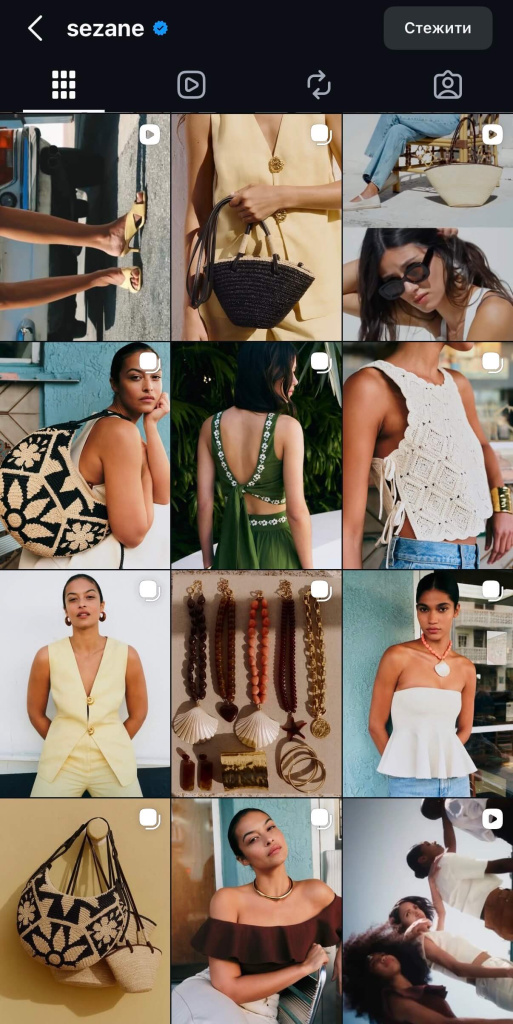
Plenty of "air", clean backgrounds, limited palette (2-3 colors). This style looks structured and professional. Minimalism enhances the feeling of premium quality and order.
What to post: product on a neutral background, short messages, concise carousels.
Who it suits: SaaS, tech, personal brands of experts, design studios.
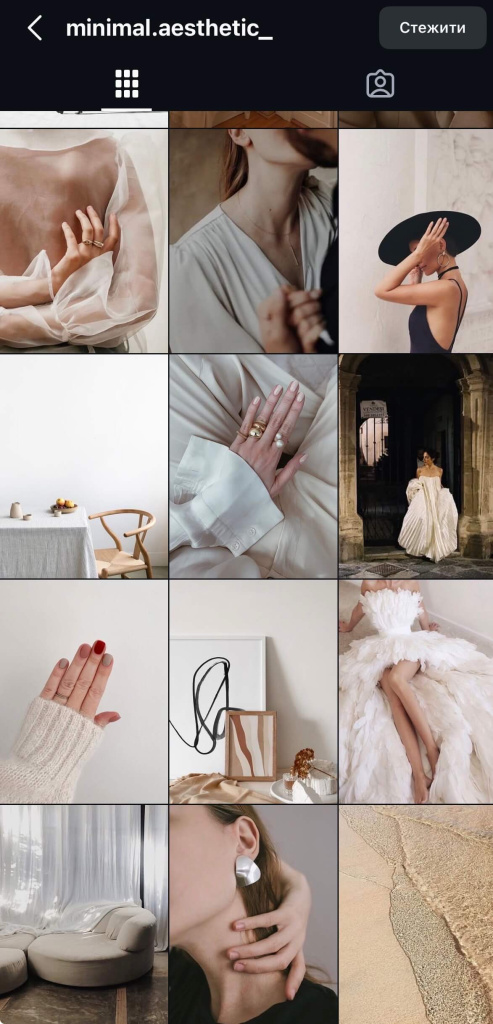
Deep shadows, rich contrasts, and dramatic lighting create a strong profile character. This style immediately stands out in the feed and looks bold. It adds a sense of power and emotional depth.
What to post: portraits, fashion shoots, creative banners, launch announcements.
Who it suits: music brands, photographers, creative studios, personal brands with bold positioning.
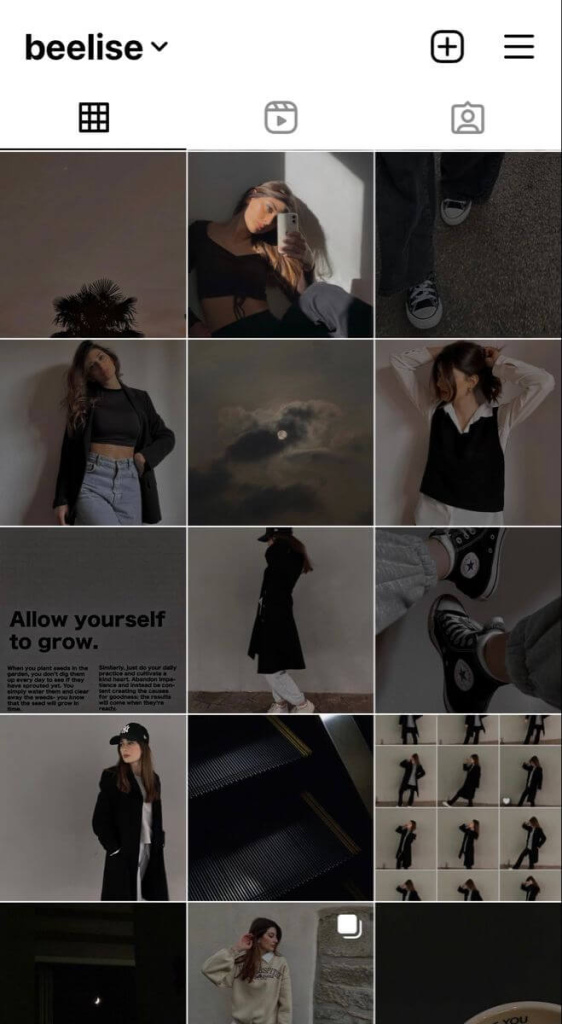
A light feed with soft lighting and natural shades creates a feeling of lightness. This style is associated with purity, health, and transparency. It works well for brands with a life-friendly positioning.
What to post: wellness content, travel, beauty, interiors.
Who it suits: cosmetics, yoga studios, travel bloggers.
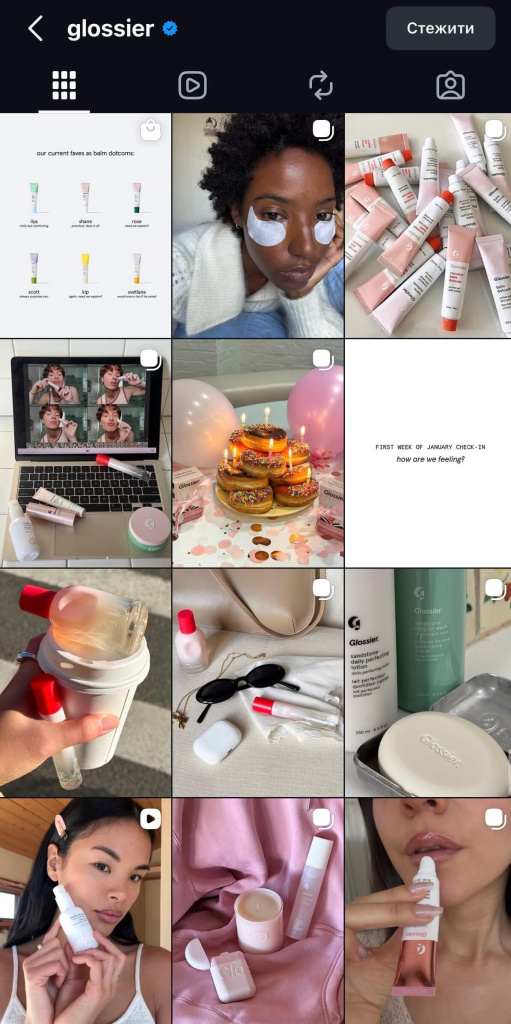
A monochrome feed looks conceptual and timely. It focuses on forms, textures, and content, not on color. This is a powerful tool to emphasize the brand's character.
What to post: portraits, architecture, emotional quotes, art content.
Who it suits: photographers, artists, personal brands.
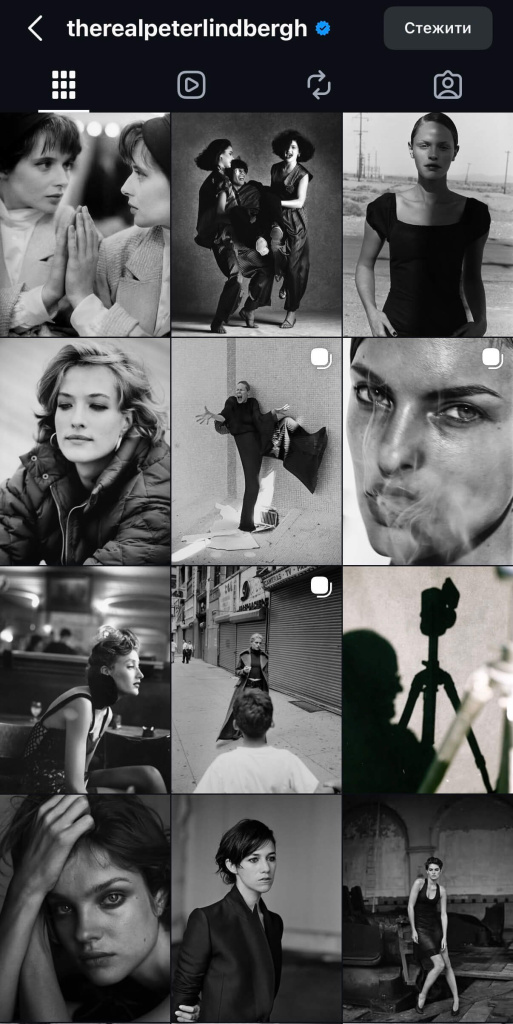
Every 6-9 posts are done in one dominant color, after which the palette changes. This approach creates a visual rhythm and makes the profile dynamic. This is one of the most popular Instagram grid ideas 2026.
What to post: product in different colors, selections, moodboards, seasonal offers.
Who it suits: e-commerce, clothing brands, children's goods.
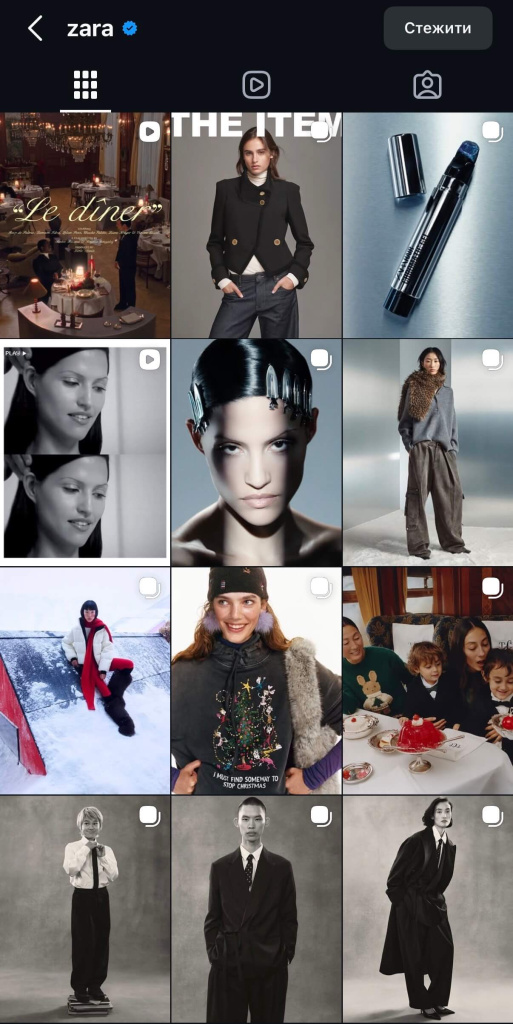
Pastel tones create a soft, friendly mood. The feed looks harmonious and is easily perceived. This style is well suited for content that evokes positive emotions.
What to post: lifestyle, decor, beauty products, motivational quotes.
Who it suits: cosmetics, floristry, handmade, wellness.
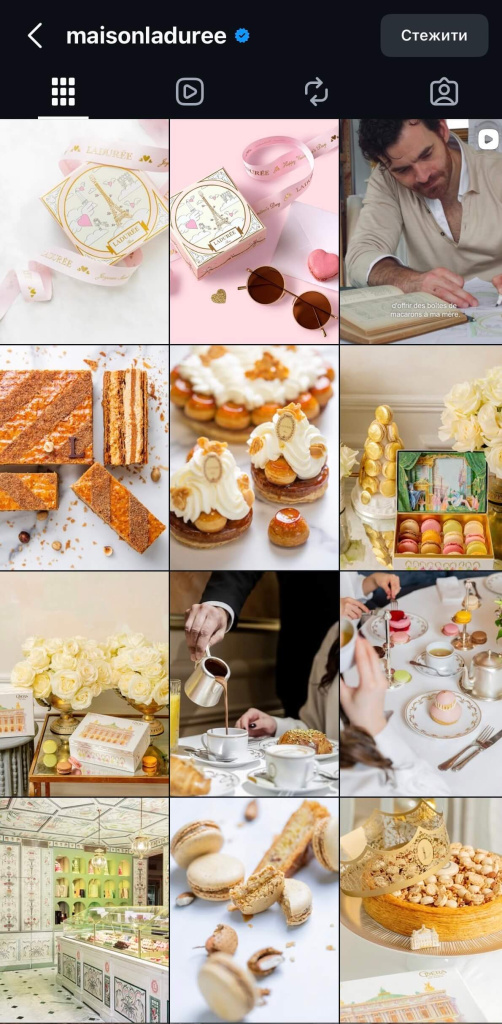
A gradual change of color from post to post creates a gradient effect throughout the profile. This requires clear planning, but looks very impressive. Such a grid encourages users to scroll the feed longer.
What to post: creative visuals, illustrations, bright banners.
Who it suits: designers, creative agencies, digital brands.
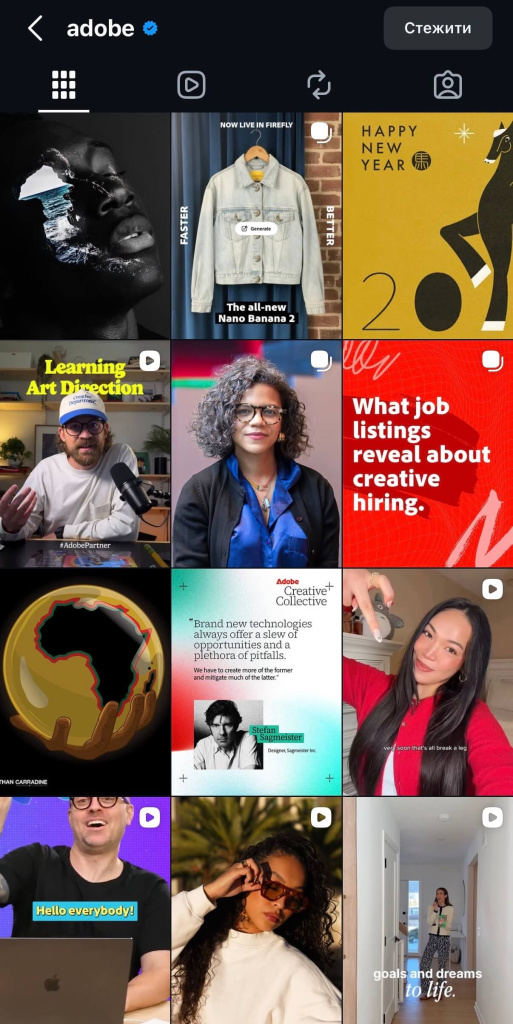
One filter or one color correction for all posts is a simple but very effective approach. It ensures integrity even with different types of content. This is a universal base for stable branding.
What to post: mix of photos, Reels previews, banners, cases.
Who it suits: small businesses, experts, local brands.
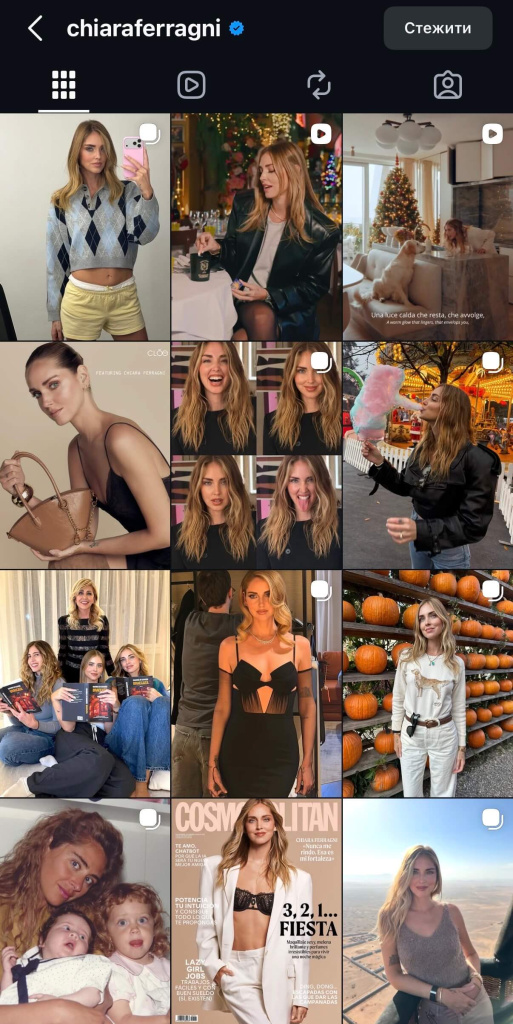
One large visual is broken down into 3/6/9 posts, forming a single picture. This format works well for launches, rebranding, or loud announcements. It creates a wow effect when entering the profile.
What to post: product launch, new collection, large-scale campaign.
Who it suits: fashion, e-commerce, large launch projects.
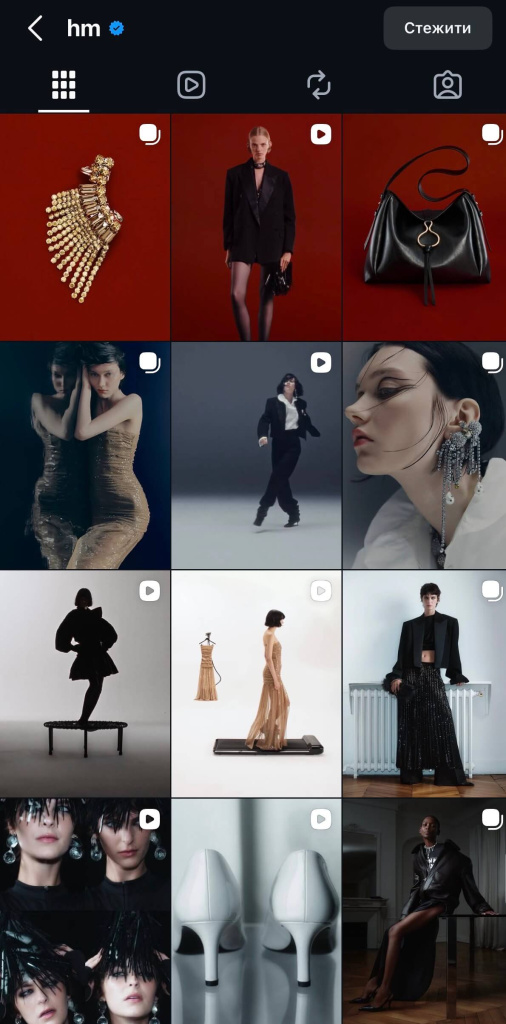
Content series are a way to make the feed predictably interesting. When the audience knows, for example, that a certain format is released every Monday, a habit of returning to the profile is formed. Regular rubrics enhance algorithmic reach, as they stimulate saving and repeated interactions.
Weekly carousels with quotes create a stable format that is easy to scale. The main thing is to adapt the quotes to your niche, not to use general phrases. Visually, it is better to maintain a single template so that the series is recognizable by style.
What to post: expert quotes, own thoughts, short insights from practice.
Who it suits: psychologists, coaches, consultants, personal brands.
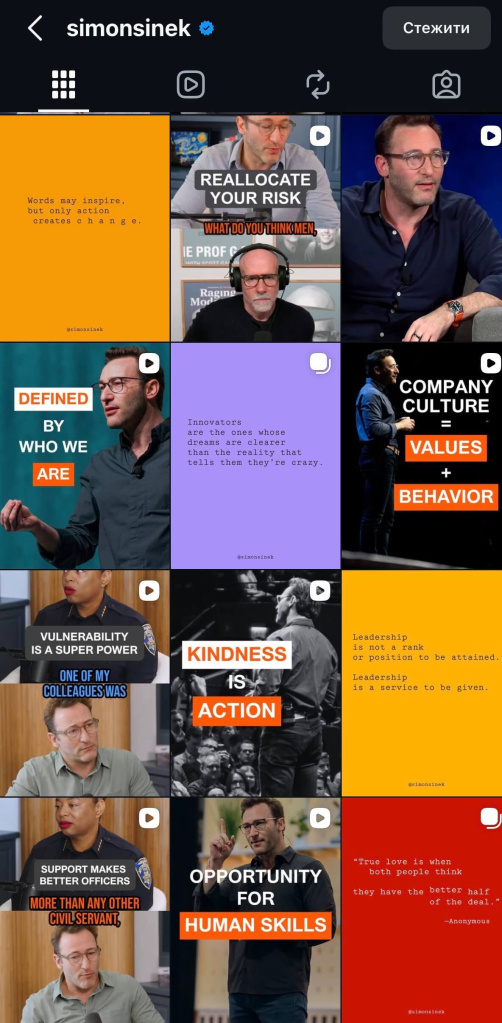
One dominant color in a series of 3-5 posts creates a visual rhythm in the feed. This is not just aesthetics - it is a way to structuredly present the theme of the week or a campaign. This format looks thoughtful and strengthens positioning.
What to post: product in a specific color, selections, moodboard, quotes in one palette.
Who it suits: fashion brands, art blogs, design studios.
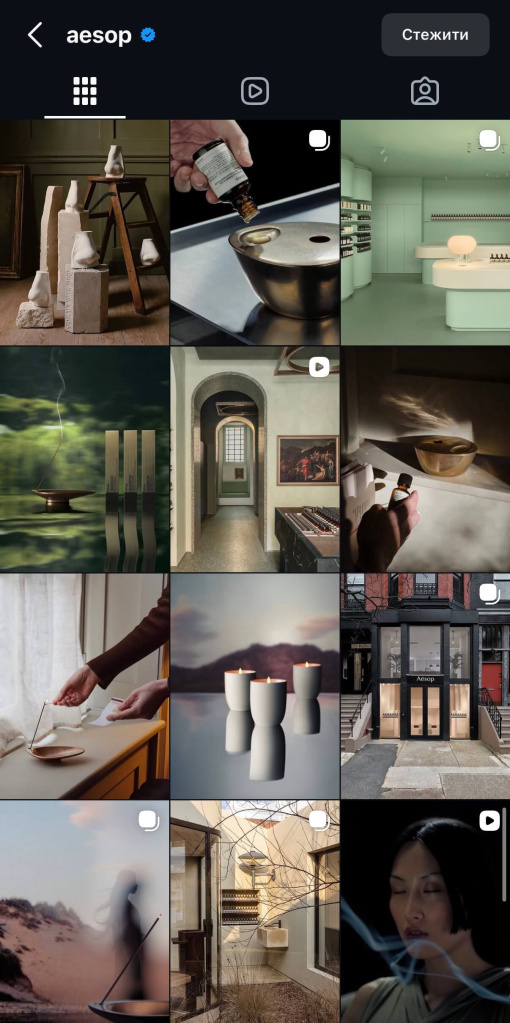
People buy not only the product, but also the process. "Behind the scenes" content increases trust and makes the brand more human. In 2026, transparency is one of the key factors of engagement.
What to post: production processes, work moments, preparation for launches, fragments of teamwork.
Who it suits: B2B, handmade brands, agencies, studios.
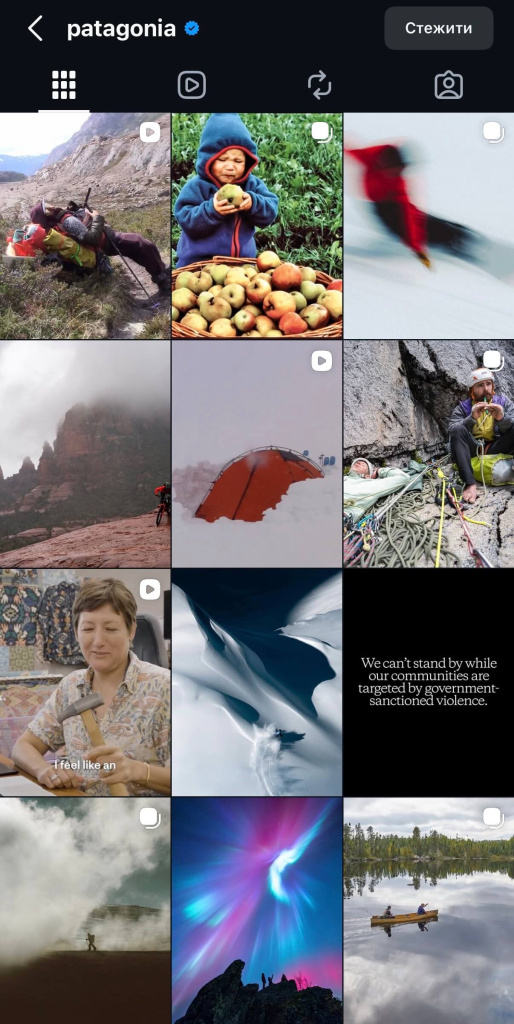
Regular introductions to the team create an emotional connection with the audience. When subscribers see the people behind the brand, trust grows. This format also helps to reveal the expertise of each specialist.
What to post: mini-interviews, 3 facts about a person, professional tips from a team member.
Who it suits: marketing agencies, design studios, IT teams, service businesses.
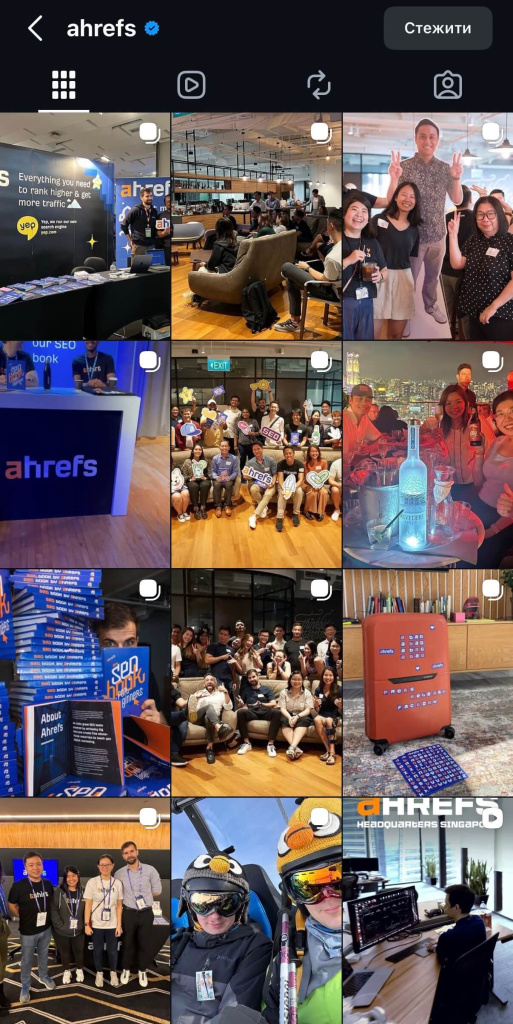
The "before/after" format remains one of the strongest engagement triggers. It demonstrates the result and visually reinforces the value of your work. The main thing is to supplement the transformation with an explanation of the process, not just a picture.
What to post: client cases, redesign, program results, repairs, appearance changes.
Who it suits: fitness projects, beauty sphere, design, repair, consulting.
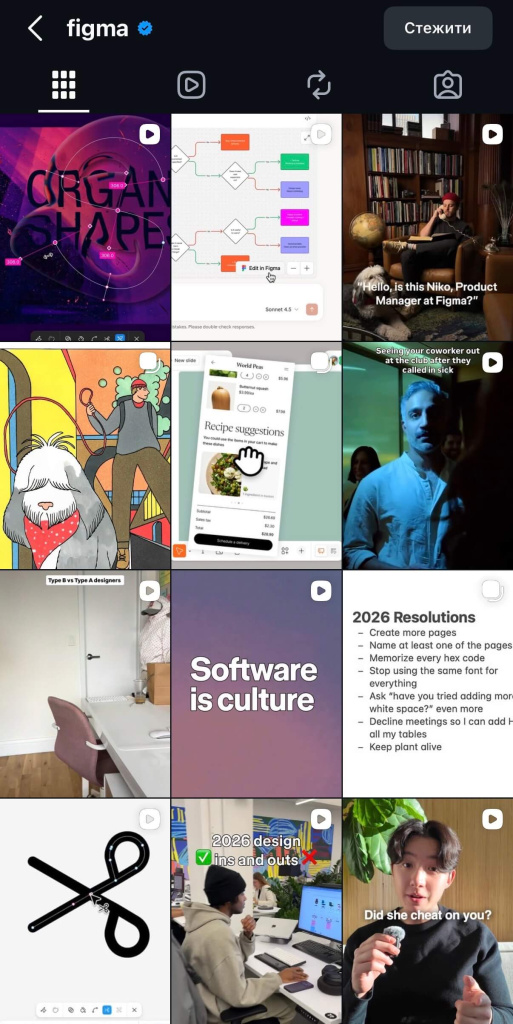
Commercial content in 2026 no longer works as a direct call to buy here and now. It must be integrated into the visual system of the profile and look natural in the feed. The main task is to combine aesthetics with a clear marketing message and an incentive to act.
One product = one post. This format allows you to systematically present the assortment and not overload the audience. It is important to show not only the product, but also its context of use and specific benefit for the client.
What to post: product photo, key advantages, short unique selling proposition, usage options.
Who it suits: e-commerce, local brands, manufacturers of niche products.
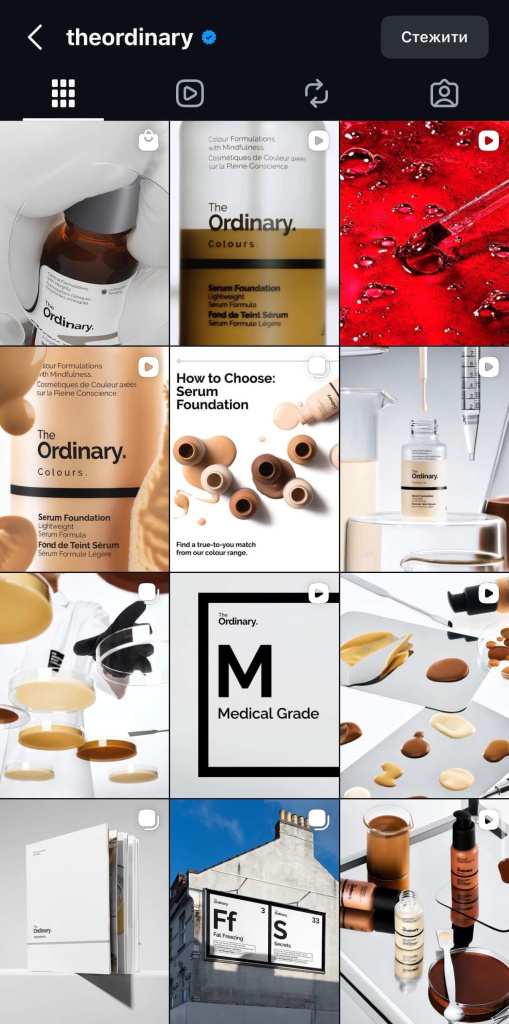
Seasonal campaigns structure the feed around a specific event or period. Visually, it is important to adapt the colors and graphics to the season so that the profile looks cohesive. This format stimulates impulse purchases well.
What to post: promotion announcements, holiday offers, thematic selections, countdown posts.
Who it suits: shops, service providers, e-commerce.
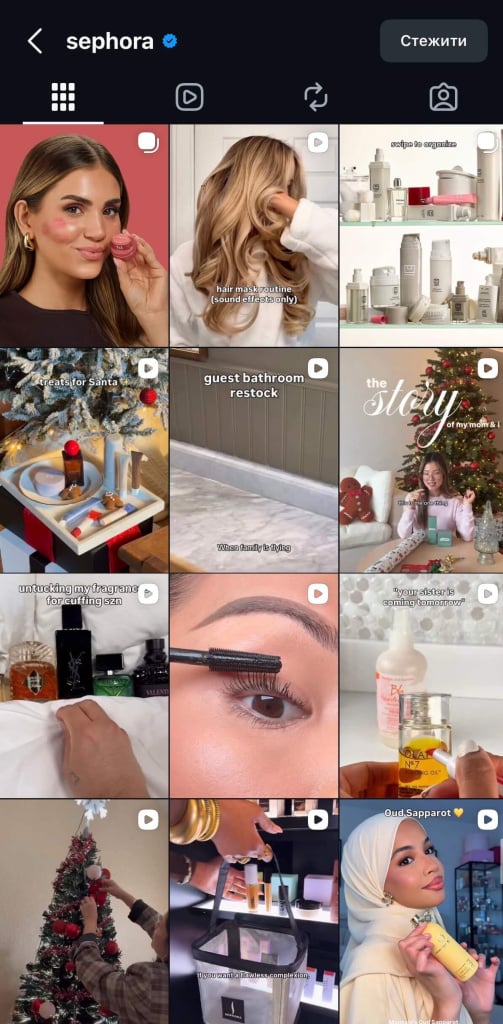
Explaining the mechanics of a product or service lowers the barrier to purchase. When the user understands the process, the level of trust increases. This format is especially effective for complex or new products.
What to post: step-by-step carousel, infographic, process demonstration, FAQ post.
Who it suits: tech, SaaS, beauty brands, service businesses.
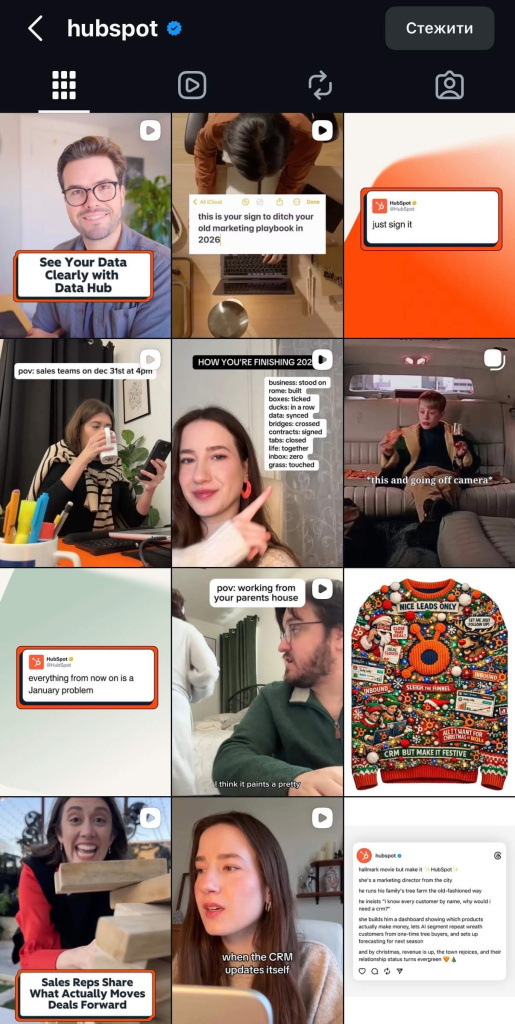
A series of announcements of kits or package offers creates intrigue before launch. The presentation can be broken down into several posts, gradually revealing the composition and benefits of the set. This approach encourages following the profile.
What to post: kit preview, set composition, benefits of buying a package, limited offers.
Who it suits: retail, product brands, educational courses.
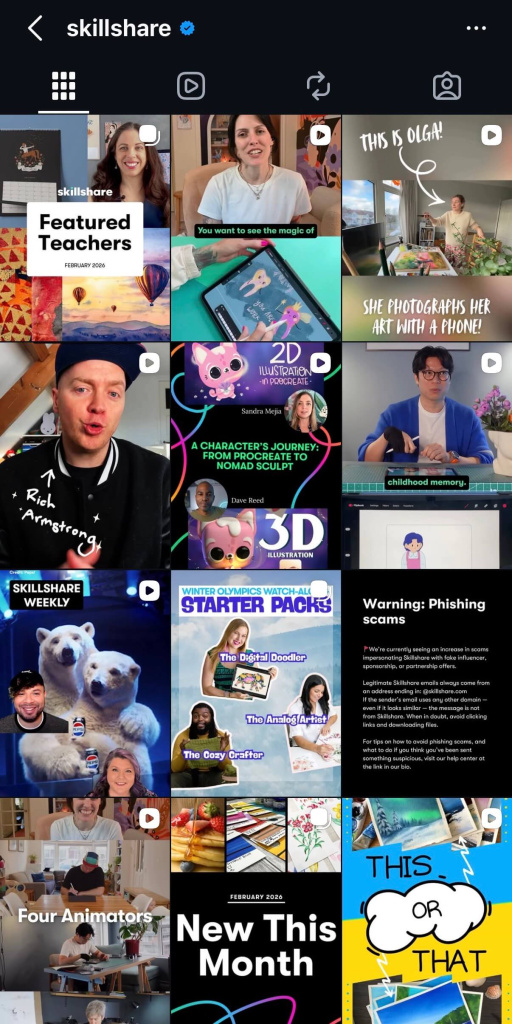
Customer reviews are one of the strongest social proofs. The carousel format allows you to show several cases or add real customer photos. It is important to focus on a specific result, not general phrases.
What to post: reviews with photos, short customer quotes, "before/after" case.
Who it suits: service providers, e-commerce, educational products.
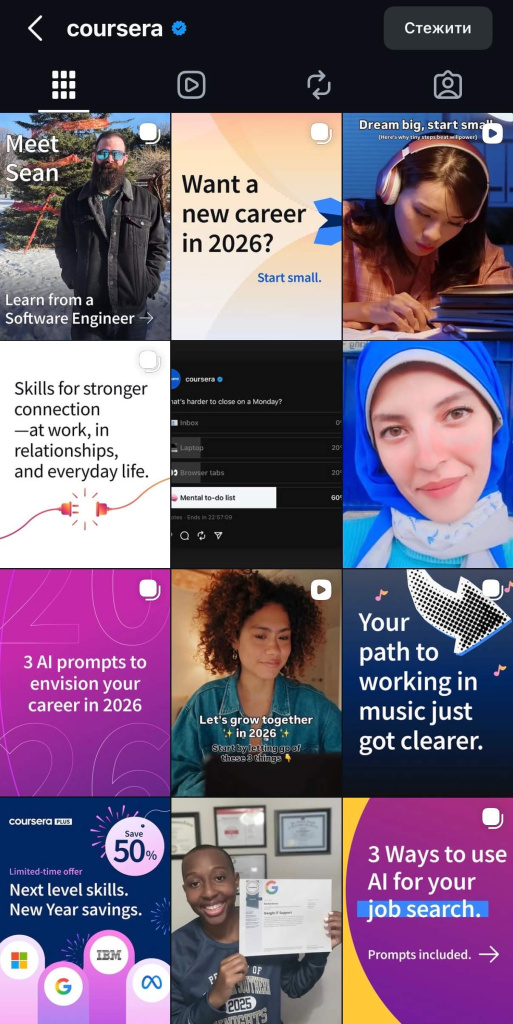
Educational content in 2026 is a long-term growth strategy. These are the posts that are most often saved, shared, and returned to repeatedly. If commercial formats sell now, educational ones build trust and expertise for the future.
Micro-guides in a carousel format allow you to quickly convey value without overloading. Each slide is one thought or tip that is easy to apply. The main thing: be specific instead of general formulations.
What to post: 3–7 practical tips, checklists, short action algorithms.
Who it suits: marketing, IT, SMM, lifehacks, expert blogs.
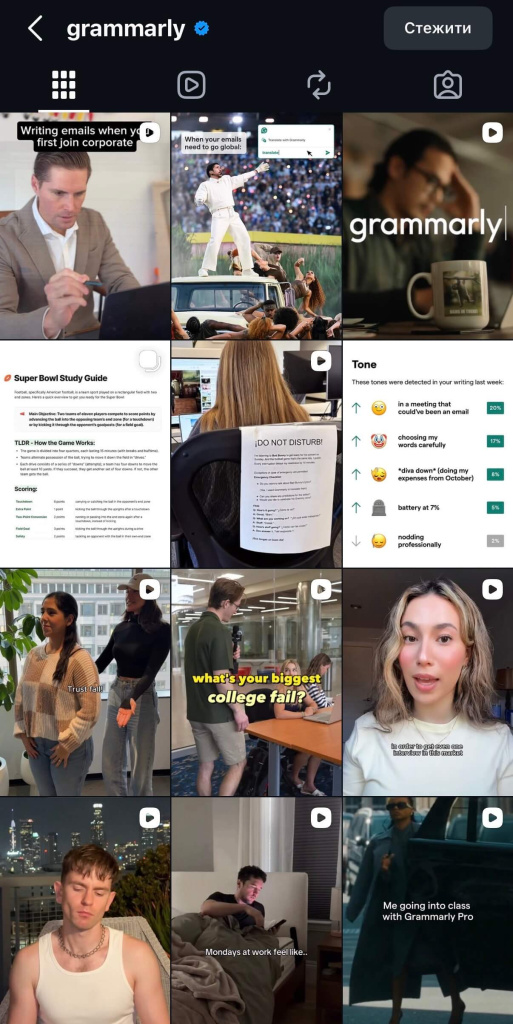
Here, the focus is not only on the result, but also on the analysis of changes. Explaining what exactly was done and why reinforces expertise. This format works well for complex niches.
What to post: cases with explanation of solutions, redesign, process optimization, strategy results.
Who it suits: consulting, marketing, design agencies, business analytics.
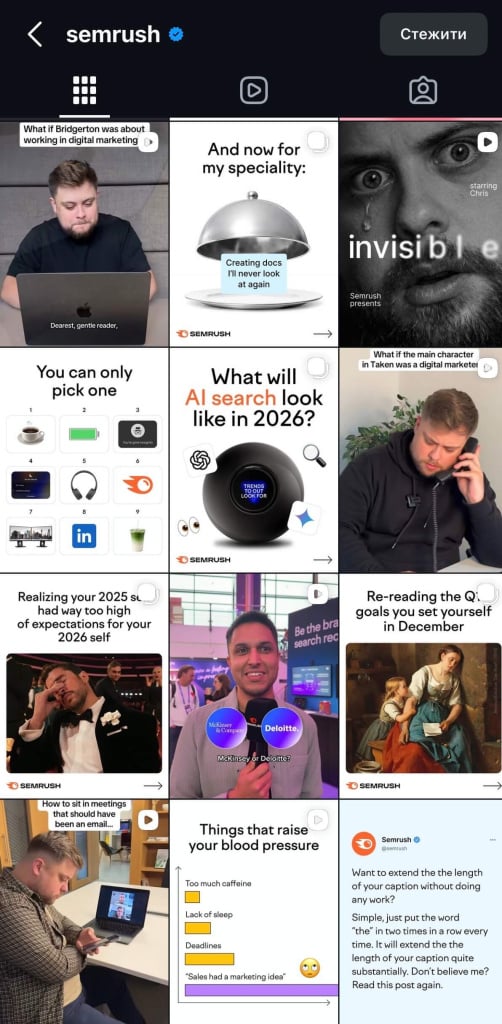
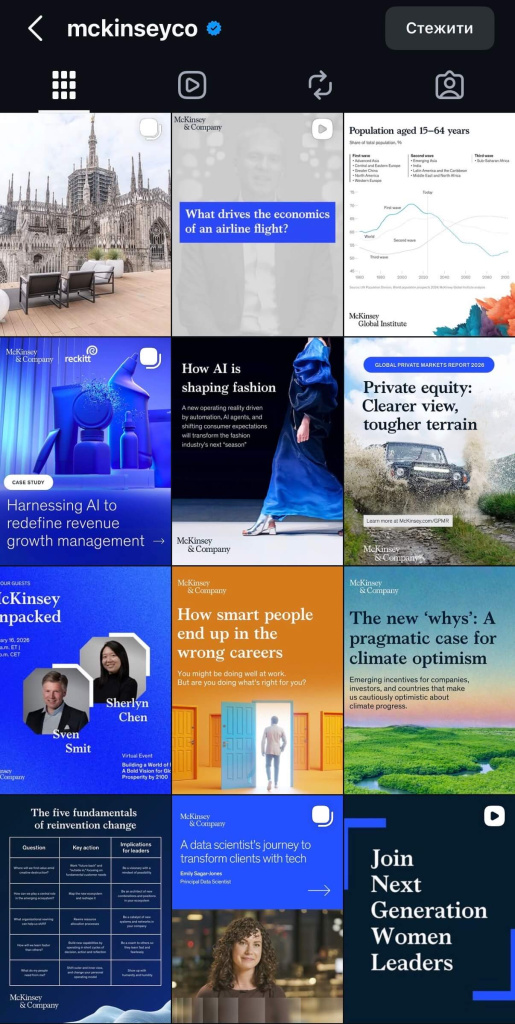
A regular rubric reviewing tools forms a habit of returning to the profile. This can be a service, function, application, or internal work method. The format is simple to produce, but valuable to the audience.
What to post: a brief overview of the tool, pros/cons, example of use.
Who it suits: SME, SMM specialists, digital teams, entrepreneurs.
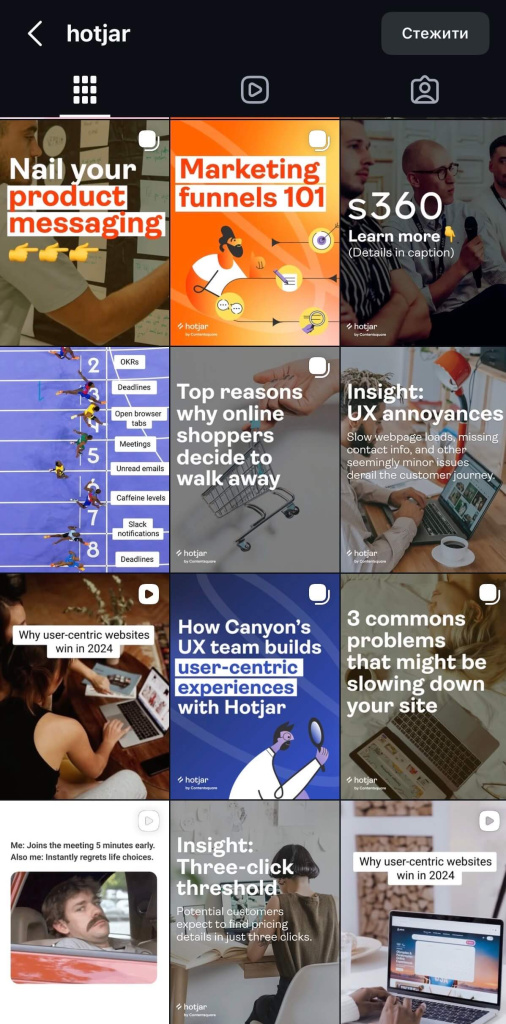
Step-by-step guides help to systematically educate the audience. Each slide is a separate stage of the process, creating a logical chain. Such posts have a high save rate.
What to post: instructions, algorithms, step-by-step schemes, mini-lessons.
Who it suits: educational projects, online schools, expert accounts.
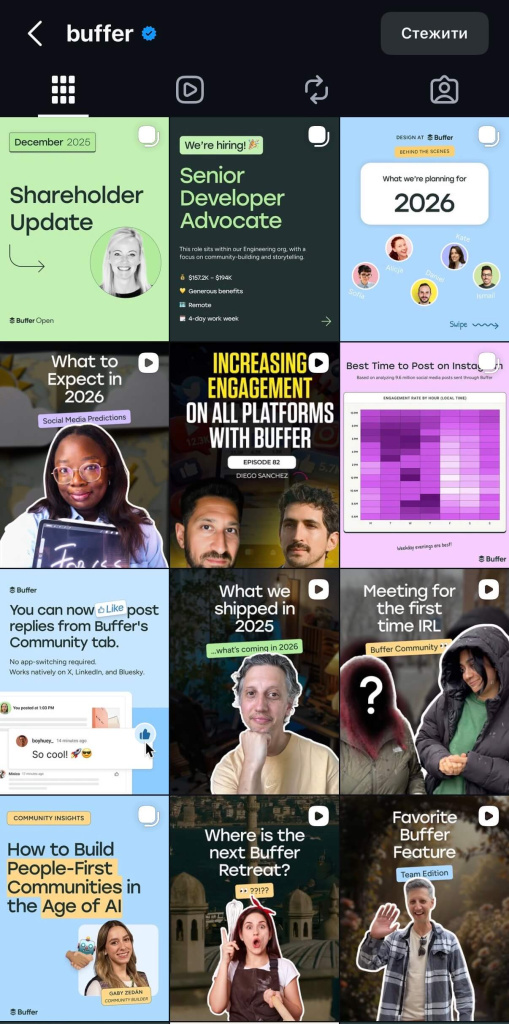
An overview of trends demonstrates that you are market-oriented and work proactively. It is important not just to list trends, but to explain their impact on business. This strengthens your positioning as a thought leader.
What to post: analytics, forecasts, case examples, niche comparisons.
Who it suits: expert accounts, agencies, B2B, personal brands.
This plan combines visual patterns, series, commercial and educational formats. The logic is simple:
So, the plan is as follows:
| Day 1 | Day 2 | Day 3 | Day 4 |
|---|---|---|---|
| Quick tips series (educational start) Micro-guide of 5 slides with specific benefits. | Behind the scenes Showing the work process, preparation for launch, or the team's internal kitchen. | Product presentation One product with a clearly formulated benefit. No aggressive call to purchase - just a logical lead-in. | Color of the week (series start) Launch of a visual micro-campaign in one dominant color. |
| Day 5 | Day 6 | Day 7 | Day 8 |
| Client review Social proof after a product post. Preferably with a specific result. | Step-by-step instructions Action algorithm in carousel format (3-7 steps). | Soft post for engagement Quote, question to the audience, or a short insight. | How it works Explaining the mechanics of a product or service in simple words. |
| Day 9 | Day 10 | Day 11 | Day 12 |
| Tool of the week A brief overview of a useful service or work method. | Transformation series "Before / after" format with explanation of the process and decisions made. | Announcement of a kit or launch Start of warming up before a package offer or new product. | Industry trends Overview of a current trend + your expert opinion on its impact on business. |
| Day 13 | Day 14 | ||
| Product reminder (through benefit) Not "buy now," but an explanation of who this product is ideal for and what problem it solves. | Weekly quote or insight Light but meaningful post to complete the cycle with an emotional emphasis. |
In 2026, Instagram algorithms evaluate not only the popularity of content, but also the quality of interaction. Likes are no longer a key signal. What matters is what the user does after viewing a post and how long they interact with your profile.
Here's what to look at first:
If a person saves a post, they plan to return to it.
The highest save rates are given by:
What indicators to focus on? 5–10% of reach is a good result for educational content.
If a post is actively saved, the algorithm shows it longer in recommendations.
When content is forwarded, it means it has social value.
Most often shared:
What indicators to focus on? If there are more shares than likes.
For B2B and expert profiles, sharing often becomes a trigger for organic growth.
The person wants to check who you are and what else you publish.
What affects:
A high profile visit rate means that the feed works systematically.
In 2026, it is important to look not just at the increase in subscribers, but from what type of content they come.
If subscriptions give:
The main rule in 2026: Instagram no longer promotes beautiful visuals, but focuses on valuable and systematic content.
In 2026, the profiles that win are not those that simply “look good,” but those that work as a well-thought-out structure. Ideas for a feed are not about templates or random aesthetics. It's about logic: how to combine visuals, content, and business goals into a single system?
A well-designed feed:
A chaotic feed consists of random posts. A systematic feed is marketing. And this is the difference between a profile that just exists and a profile that grows.
In 2026, the question is no longer what to post. The question is how to make each post work within a single visual and strategic concept.
Each publication must perform its function:
And when these functions are distributed systematically, the feed begins to work as a coherent mechanism!